- Home
- About Us
- Products
- Hydraulic Cylinders
- Forklift Hydraulic Cylinders
- Agricultural Machinery Hydraulic Cylinders
- Aerial Work Vehicle Hydraulic Cylinders
- Sanitation Machinery Hydraulic Cylinders
- Construction Machinery Hydraulic Cylinders
- Mobile Machinery Hydraulic Cylinders
- Industrial Engineering Hydraulic Cylinders
- American Standard Series Hydraulic Cylinders
- Offshore Hydraulic Cylinders
- Energy Technology Hydraulic Cylinders
- Tunnel Boring Machine Hydraulic Cylinders
- Telescopic Hydraulic Cylinders
- Tractor & Front End Loader Hydraulic Cylinders
- Steering Hydraulic Cylinders
- Dump Truck & Trailer Hydraulic Cylinders
- Electirc and Instrument
- Gasification station
- Equipment
- Gas compressor
- Gas filter and purification
- Gas Storage & transportation
- Air separation plant
- Refrigeration Equipment
- Ungrouped
- Hydraulic Cylinders
- News
- Download
- Send Inquiry
- Contact Us


Gasification station
What is a Gasification Station?
A gasification station is a crucial facility that converts carbon-based materials, such as coal, biomass, or waste, into synthetic gas (syngas) through a thermochemical process. This syngas can then be utilized for power generation, heating, or as a feedstock for producing chemicals and fuels. Gasification stations play a vital role in sustainable energy solutions, reducing reliance on fossil fuels and minimizing environmental impact. Our advanced gasification stations are engineered for high efficiency, reliability, and scalability, catering to industrial and municipal applications worldwide.
Key Product Parameters
Below is a detailed list of the core parameters for our gasification station models, designed to meet diverse operational needs. Each parameter is optimized for performance and compliance with international standards.
- Capacity Range: 50 kW to 10 MW, suitable for small-scale to large industrial applications.
- Feedstock Types: Compatible with biomass (e.g., wood chips, agricultural waste), coal, municipal solid waste, and plastics.
- Syngas Output Composition: Typically 40-60% carbon monoxide, 20-30% hydrogen, 5-15% carbon dioxide, and trace methane, with impurities removed to below 1%.
- Operating Temperature: 700°C to 1,200°C, adjustable based on feedstock and desired syngas quality.
- Efficiency: Thermal efficiency of 75-85%, with carbon conversion rates exceeding 90%.
- Emissions Control: Integrated systems to reduce particulate matter, NOx, and SOx emissions to meet EPA and EU standards.
- Automation Level: Fully automated with PLC and SCADA systems for real-time monitoring and control.
- Maintenance Requirements: Low maintenance design with scheduled inspections every 6 months and major overhaul every 5 years.
- Lifespan: Designed for 20+ years of operation with proper maintenance.
- Installation Time: 6-12 months depending on scale and site conditions.
| Model Series | Capacity (MW) | Feedstock Compatibility | Syngas Calorific Value (MJ/Nm³) | Typical Application |
|---|---|---|---|---|
| GS-100 | 0.05 - 0.5 | Biomass, Waste | 10 - 12 | Small Communities, Farms |
| GS-500 | 0.5 - 2 | Coal, Biomass | 12 - 15 | Industrial Heating |
| GS-2000 | 2 - 5 | Mixed Feedstocks | 14 - 18 | Power Generation |
| GS-10000 | 5 - 10 | Coal, MSW | 15 - 20 | Large Municipalities |
Benefits of Our Gasification Station
Investing in our gasification station offers numerous advantages, including reduced carbon footprint, cost savings on energy, and compliance with environmental regulations. The technology supports circular economy principles by converting waste into valuable energy, thereby lowering disposal costs and generating revenue from energy sales.
Applications and Case Studies
Our gasification stations have been successfully deployed in various sectors, such as power plants, manufacturing facilities, and waste management centers. For instance, a recent installation in a European municipality reduced local waste volume by 80% and generated enough electricity to power 5,000 homes annually.
Technical Support and Services
Raydafon offers end-to-end services, from initial consultation and design to installation, training, and ongoing maintenance. Our team of experts provides 24/7 technical support to ensure smooth operation and maximize the return on investment for your gasification station project.
- View as
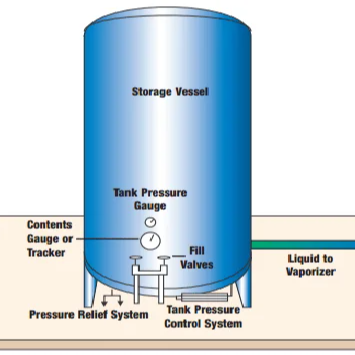
Liquid Oxygen Storage & Gas Gasification System and Cylinder Filling Station
Raydafon's Liquid Oxygen Storage & Gas Gasification System and Cylinder Filling Station delivers reliable, high-purity oxygen for medical, industrial, and aerospace use with advanced safety features and energy-efficient design. Perfect for hospitals and labs, it enhances operational efficiency and peace of mind, setting itself apart with superior durability and user-friendly operation.
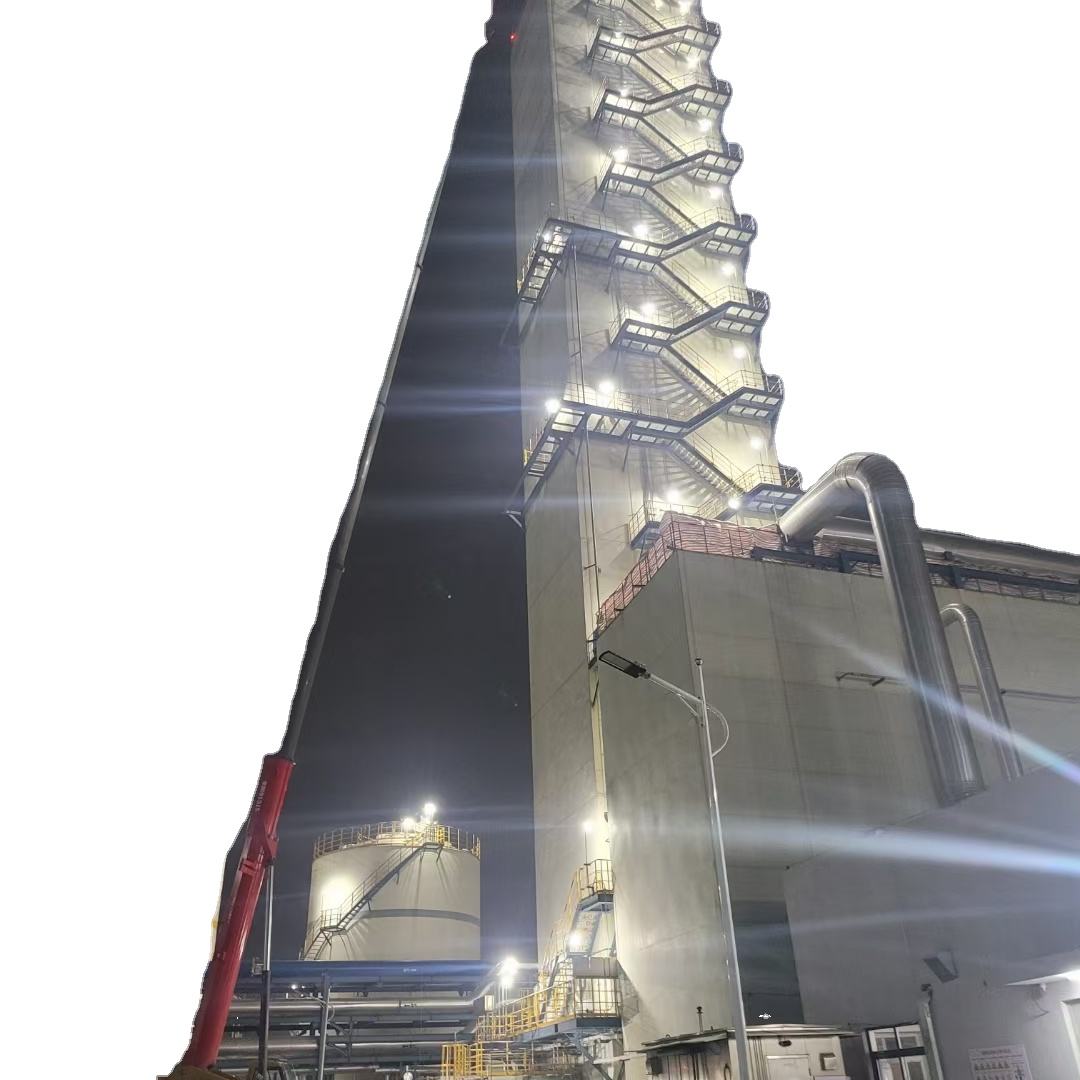
High Purity Gas Equipment Cryogenic air Separation Unit/ Plant/ On-site Gas Supply / Energy Saving ASU
Raydafon's High Purity Gas Equipment Cryogenic Air Separation Unit delivers on-site gas supply with energy-saving efficiency, ideal for industries seeking reliable and eco-friendly solutions. Experience unmatched purity and cost reduction today.
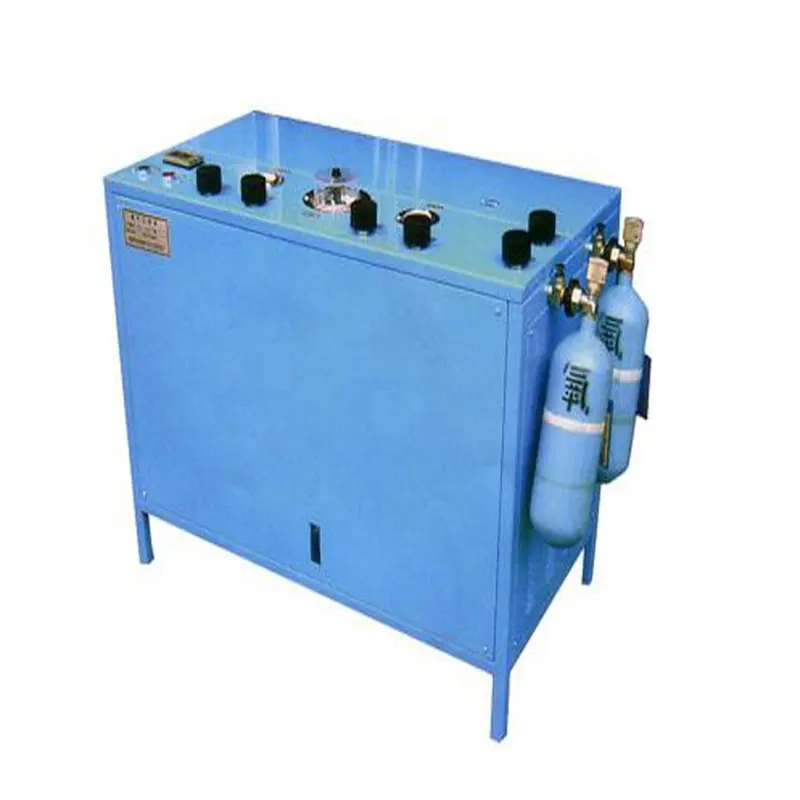
Brand New Industrial Gas Cryogenic Liquid Oxygen Filling Pump
Raydafon's Brand New Industrial Gas Cryogenic Liquid Oxygen Filling Pump delivers unmatched precision and reliability for industrial gas applications. Its advanced cryogenic technology ensures efficient oxygen transfer, ideal for medical, manufacturing, and aerospace sectors, enhancing safety and productivity with durable, high-performance design.
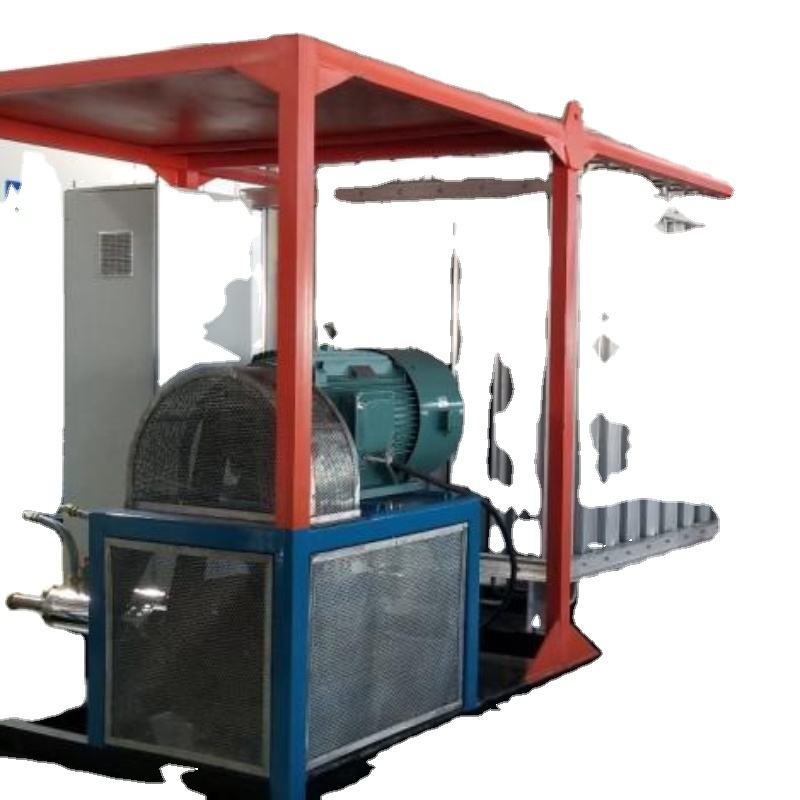
Liquid Oxygen Nitrogen Gas Cylinder Filling Station Pump Skid Mounted Cryogenic Lcng LNG Pump
Raydafon's Liquid Oxygen Nitrogen Gas Cylinder Filling Station Pump Skid Mounted Cryogenic Lcng LNG Pump offers efficient, reliable cryogenic fluid transfer for industrial applications, featuring advanced technology, durable skid-mounted design, and enhanced safety, ideal for energy and manufacturing sectors to boost productivity and reduce operational costs.
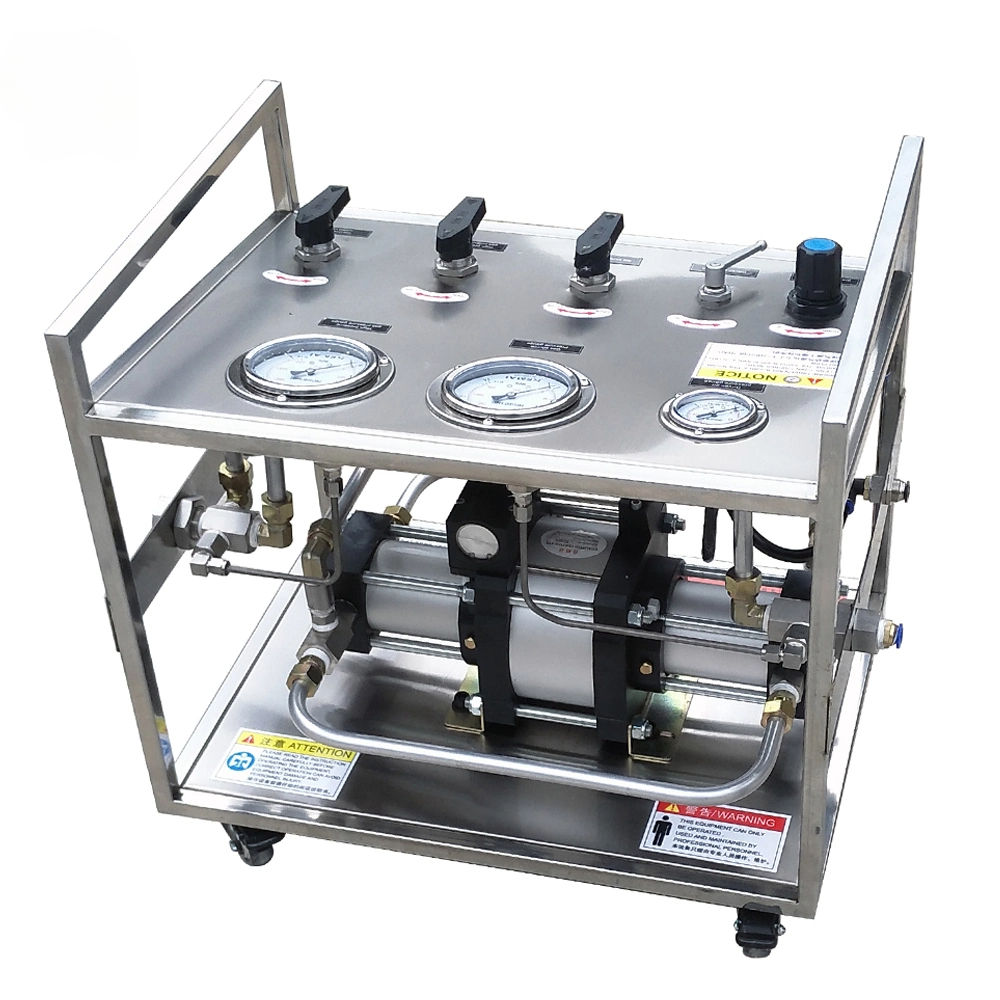
Cryogenic Liquid Argon Filling Pump Gas LPG Cylinder Filling Station
Raydafon's Cryogenic Liquid Argon Filling Pump Gas LPG Cylinder Filling Station is a professional-grade solution for industrial gases, ensuring efficient and safe filling operations. Its advanced cryogenic technology and durable design make it ideal for energy sectors, enhancing productivity and reliability. Experience peace of mind with superior performance that outperforms competitors.
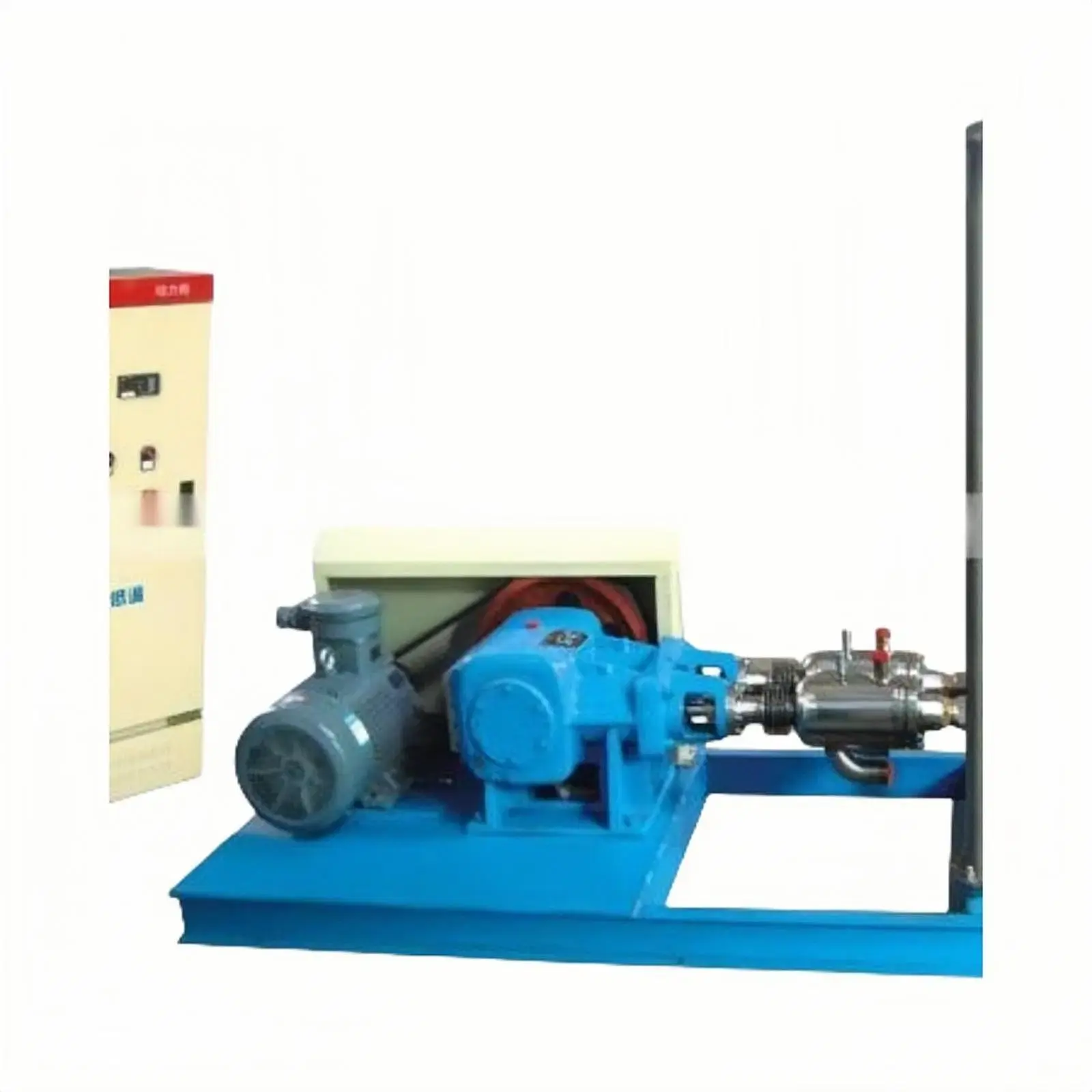
Industrial Gas Cryogenic Pump Liquid Oxygen Filling Pump
Discover Raydafon's Industrial Gas Cryogenic Pump, the ultimate Liquid Oxygen Filling Pump for high-purity transfers. Engineered with advanced technology and durable materials, it ensures efficient, safe operations in medical and industrial settings. Users enjoy reliable performance, solving critical filling needs with unmatched precision. Stand out from competitors with superior design and proven results—experience the Raydafon difference today!