- Home
- About Us
- Products
- Hydraulic Cylinders
- Forklift Hydraulic Cylinders
- Agricultural Machinery Hydraulic Cylinders
- Aerial Work Vehicle Hydraulic Cylinders
- Sanitation Machinery Hydraulic Cylinders
- Construction Machinery Hydraulic Cylinders
- Mobile Machinery Hydraulic Cylinders
- Industrial Engineering Hydraulic Cylinders
- American Standard Series Hydraulic Cylinders
- Offshore Hydraulic Cylinders
- Energy Technology Hydraulic Cylinders
- Tunnel Boring Machine Hydraulic Cylinders
- Telescopic Hydraulic Cylinders
- Tractor & Front End Loader Hydraulic Cylinders
- Steering Hydraulic Cylinders
- Dump Truck & Trailer Hydraulic Cylinders
- Electirc and Instrument
- Gasification station
- Equipment
- Gas compressor
- Gas filter and purification
- Gas Storage & transportation
- Air separation plant
- Refrigeration Equipment
- Ungrouped
- Hydraulic Cylinders
- News
- Download
- Send Inquiry
- Contact Us


Gas Storage & transportation
Expert Guide to Gas Storage & Transportation Solutions
In the energy sector, efficient and safe gas storage & transportation is crucial for industrial, commercial, and residential applications. Our company specializes in providing cutting-edge solutions tailored to meet diverse needs. With decades of expertise, we ensure reliability, compliance with international standards, and cost-effectiveness. This guide delves into our product parameters, FAQs, and best practices, offering a comprehensive resource for professionals.
Product Parameters Overview
The gas storage & transportation products from Raydafon are engineered with precision, focusing on durability, safety, and performance. Below is a detailed breakdown of key parameters, presented in lists and tables for clarity.
Storage Tanks Specifications
- Material: High-grade stainless steel (AISI 316L) for corrosion resistance.
- Capacity: Ranges from 500 liters to 20,000 liters, customizable based on requirements.
- Pressure Rating: Designed for operating pressures up to 250 bar, with safety valves included.
- Temperature Range: Operates efficiently from -50°C to 80°C, suitable for various climates.
- Certifications: Compliant with ASME, PED, and ISO 9809 standards.
Transportation Cylinders Details
| Model | Volume (Liters) | Weight (kg) | Max Pressure (bar) | Application |
|---|---|---|---|---|
| GT-100 | 100 | 15 | 200 | Portable use for medical gases |
| GT-500 | 500 | 45 | 250 | Industrial gas transport |
| GT-1000 | 1000 | 80 | 300 | Bulk transportation for LNG |
Additional features include anti-static coatings, easy-to-read gauges, and tamper-proof valves. Our products undergo rigorous testing, including hydrostatic and leak tests, to ensure utmost safety during gas storage & transportation.
Advanced Technologies in Gas Storage & Transportation
Innovation drives our solutions. We incorporate smart sensors for real-time monitoring of pressure and temperature, automated filling systems to reduce human error, and composite materials for lighter weight without compromising strength. These technologies enhance efficiency and reduce environmental impact, aligning with global sustainability goals.
- View as
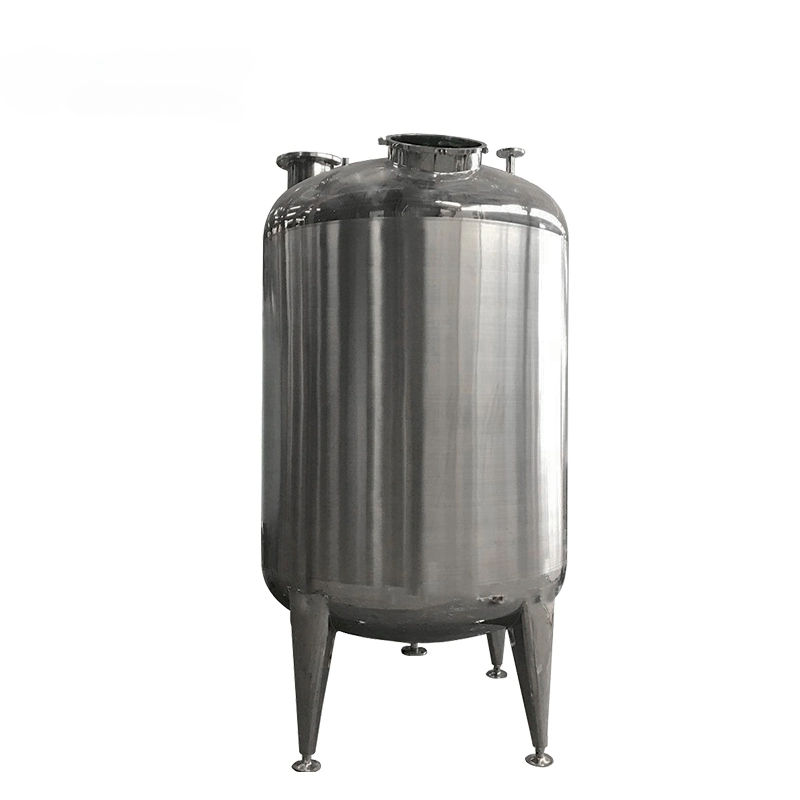
40m3 Gas Fuel Container 5000 Liters 2000L Small Cryogenic Nitrogen Liquid Storage Tank
Raydafon's 40m3 gas fuel container, with 5000L and 2000L small cryogenic nitrogen liquid storage tank options, offers reliable, efficient storage for industrial and laboratory use, featuring advanced insulation and safety, ideal for those seeking durable, compact solutions with enhanced performance.
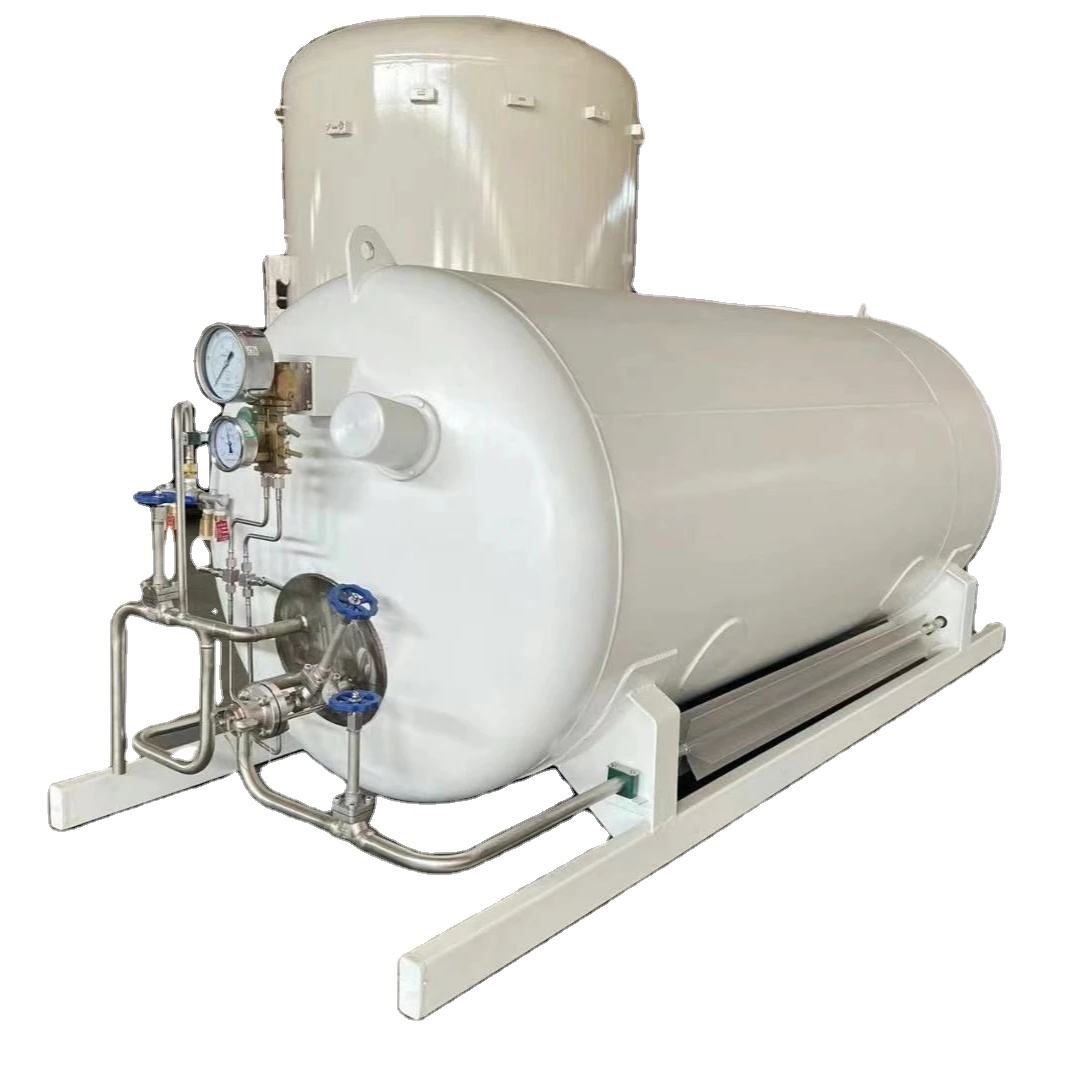
LNG LO2 LN2 LAr LCO2 Cryogenic Storage tank Experience the Highest Safety Standards with Our LNG Cryogenic Tanks
Discover Raydafon's LNG, LO2, LN2, LAr, LCO2 cryogenic storage tanks, offering the highest safety standards. Engineered with advanced technology and durable materials, these tanks ensure reliable performance for industrial users. Experience peace of mind with superior insulation and robust design, solving storage challenges while enhancing operational efficiency. Trust Raydafon for unmatched quality and innovation in cryogenic solutions.
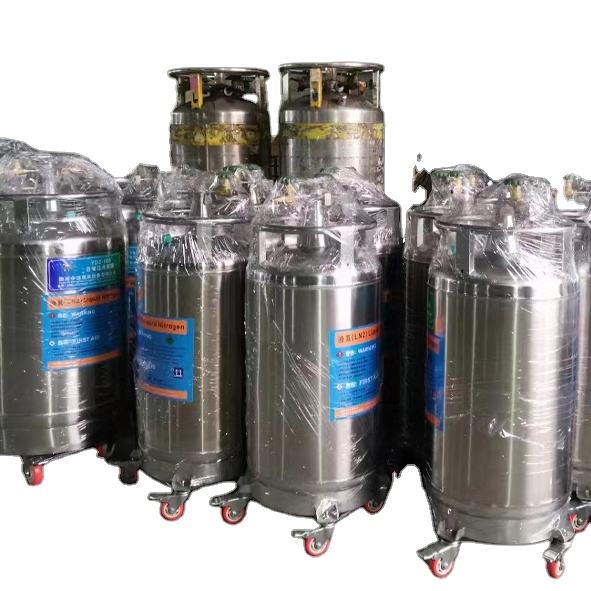
175L/195L/210L/500L Stainless Steel Liquid Nitrogen Dewar Storage tank
Raydafon's 175L/195L/210L/500L Stainless Steel Liquid Nitrogen Dewar Storage Tank offers reliable cryogenic storage with durable construction, ideal for laboratories, medical facilities, and research centers. Its superior insulation and user-friendly design ensure safety and efficiency, solving storage challenges and enhancing workflow. Uniquely built with high-grade materials, it stands out from competitors for long-term performance. Experience peace of mind and upgrade your operations with Raydafon's trusted solution.
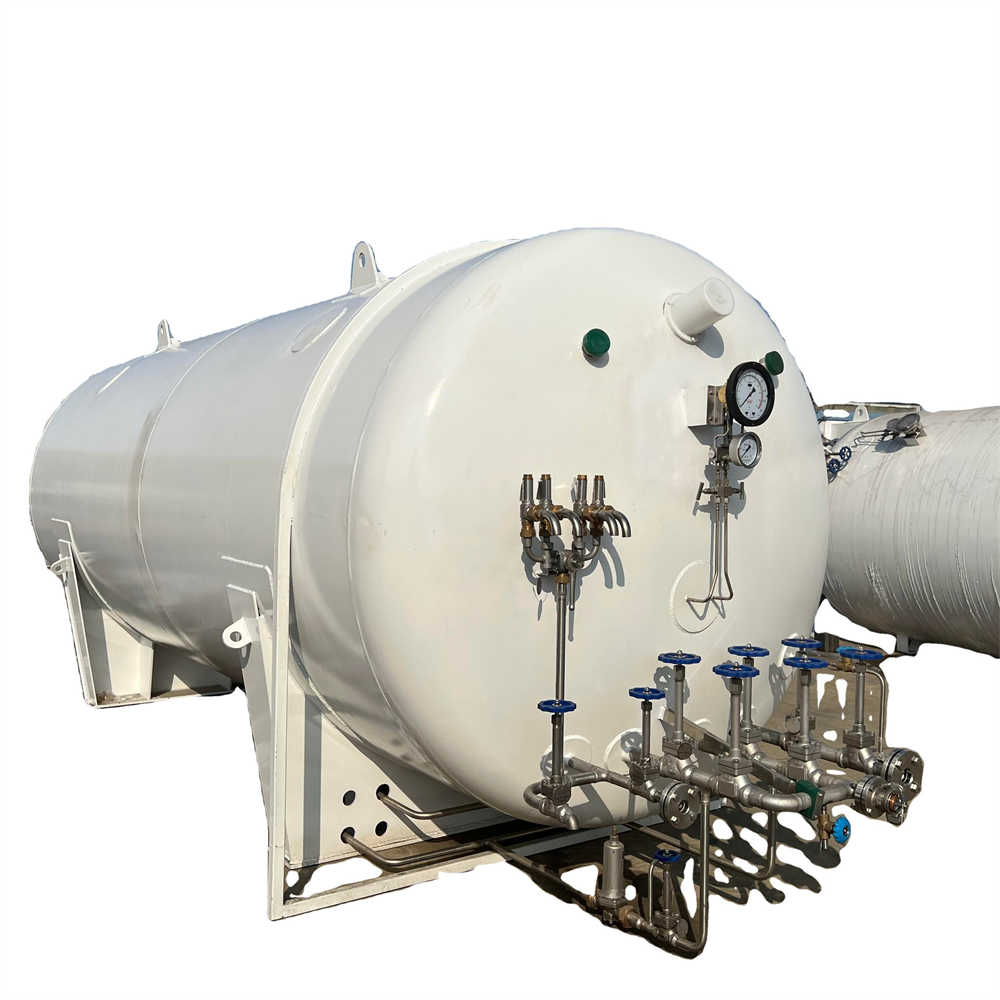
Low Temperature Storage tank 3M3 Oxygen Nitrogen Hydrogen Low Temperature Storage Vessel Horizontal Industrial Gas Storage tank
Raydafon's Low Temperature Storage tank 3M3 offers reliable storage for Oxygen, Nitrogen, and Hydrogen with advanced horizontal design, ensuring safety and efficiency for industrial clients, solving critical gas management needs with unmatched durability and performance.
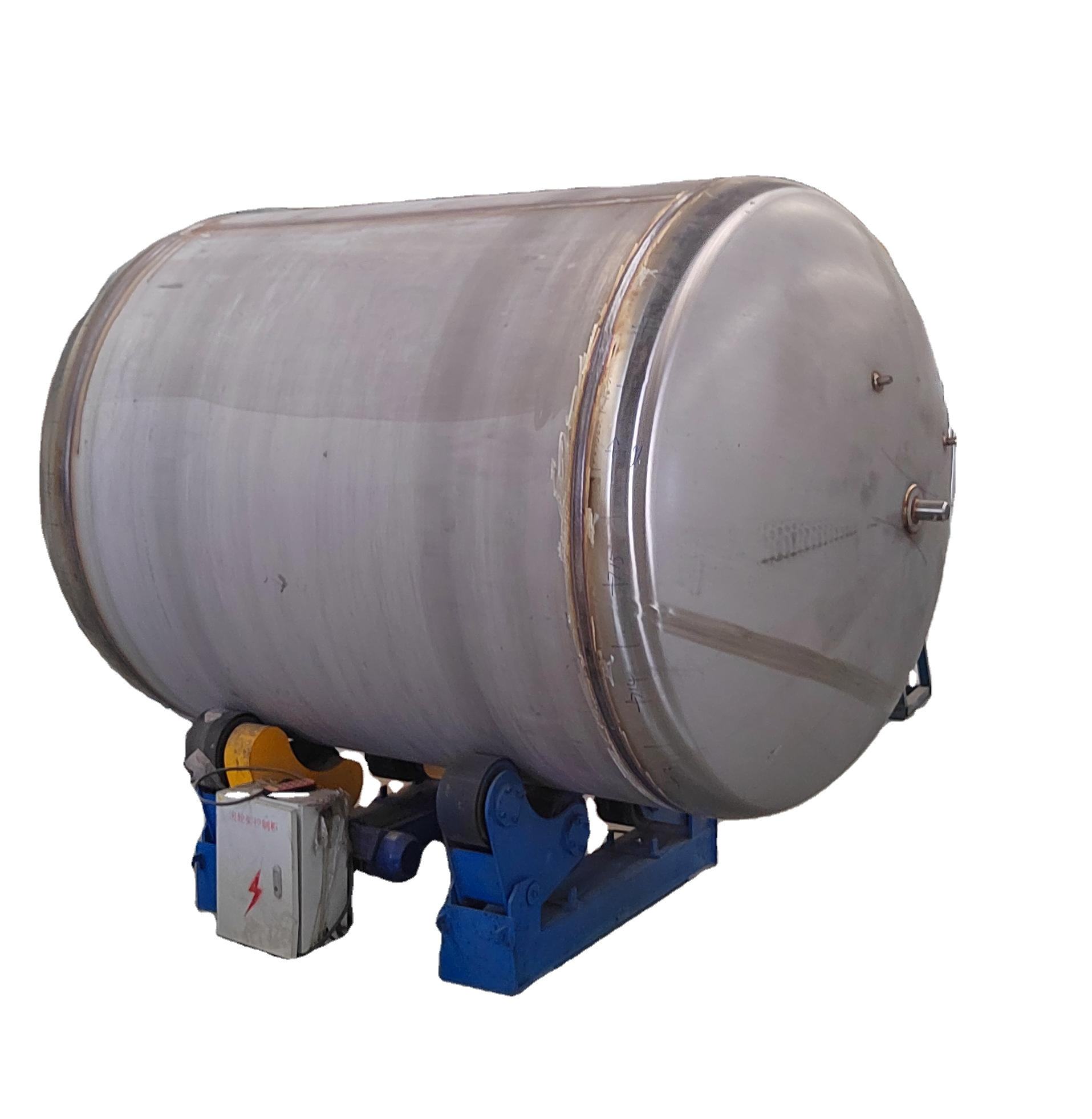
10M3-250M3 Cryogenic Storage Tank Vertical Cryogenic Liquid Oxygen LNG, N2, O2, Ar, CO2.
Raydafon's 10M3-250M3 Cryogenic Storage Tank Vertical stores liquid oxygen, LNG, N2, O2, Ar, CO2 efficiently, ideal for industrial users seeking reliable, safe solutions with advanced insulation and durable design for enhanced performance.
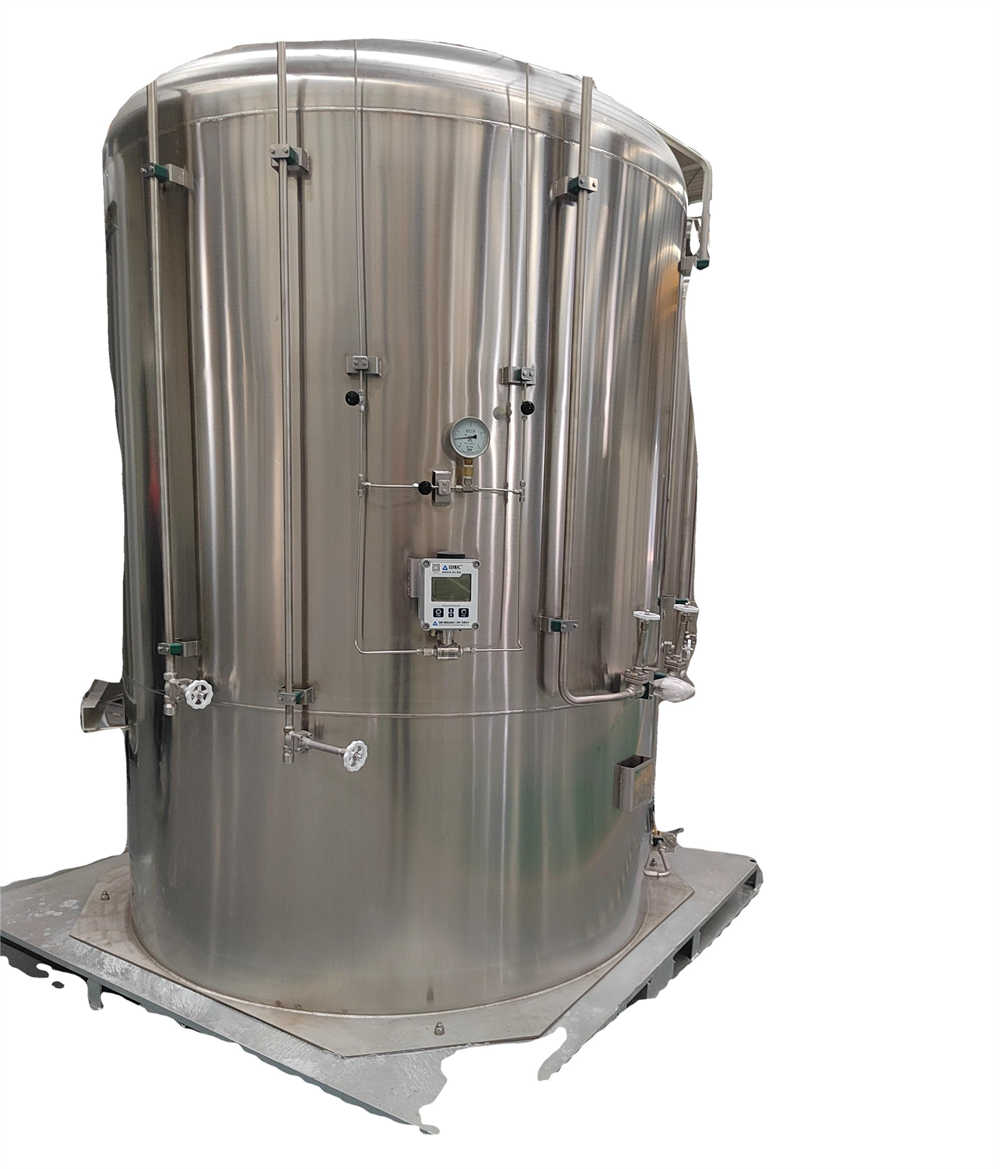
1000L 3000L 5000L Cryogenic Storage Tank Vertical Liquid Oxygen Nitrogen Argon CO2 Natural Gas
Raydafon's 1000L, 3000L, and 5000L vertical cryogenic storage tanks excel in storing liquid oxygen, nitrogen, argon, CO2, and natural gas with superior durability, advanced insulation, and precision engineering. Ideal for industrial, medical, and energy sectors, these tanks ensure reliable, safe operations, reducing costs and boosting efficiency with Raydafon's trusted innovation.