- Home
- About Us
- Products
- Hydraulic Cylinders
- Forklift Hydraulic Cylinders
- Agricultural Machinery Hydraulic Cylinders
- Aerial Work Vehicle Hydraulic Cylinders
- Sanitation Machinery Hydraulic Cylinders
- Construction Machinery Hydraulic Cylinders
- Mobile Machinery Hydraulic Cylinders
- Industrial Engineering Hydraulic Cylinders
- American Standard Series Hydraulic Cylinders
- Offshore Hydraulic Cylinders
- Energy Technology Hydraulic Cylinders
- Tunnel Boring Machine Hydraulic Cylinders
- Telescopic Hydraulic Cylinders
- Tractor & Front End Loader Hydraulic Cylinders
- Steering Hydraulic Cylinders
- Dump Truck & Trailer Hydraulic Cylinders
- Electirc and Instrument
- Gasification station
- Equipment
- Gas compressor
- Gas filter and purification
- Gas Storage & transportation
- Air separation plant
- Refrigeration Equipment
- Ungrouped
- Hydraulic Cylinders
- News
- Download
- Send Inquiry
- Contact Us


How to choose the right refrigeration equipment for a restaurant?
How to choose the right Refrigeration Equipment for a restaurant? This question keeps countless chefs and owners up at night. The wrong choice isn't just an inconvenience; it's a direct threat to your food safety, operational efficiency, and bottom line. Imagine a busy Friday night, the tickets are flying, and your reach-in cooler starts struggling to hold temperature. The result? Spoiled inventory, stressed staff, and unhappy customers. Choosing the ideal refrigeration system is a foundational decision that impacts every aspect of your food service business. It requires careful consideration of your specific menu, volume, space, and operational workflow. This guide will walk you through the critical factors, from energy efficiency and capacity to specialized features, ensuring you make an informed investment that protects your food and your profits for years to come. Partnering with a reliable expert like Raydafon Technology Group Co.,Limited can simplify this complex process, providing tailored solutions that address your unique restaurant's challenges.
Article Outline
- The Space & Capacity Dilemma: Avoiding Costly Mismatches
- Energy Costs Are Eating Your Profits: The Efficiency Imperative
- Specialized Needs for Specific Foods: Beyond Basic Cooling
- Durability in a Demanding Environment: Built for the Long Haul
- FAQ: Your Top Questions Answered
The Space & Capacity Dilemma: Avoiding Costly Mismatches
One of the most common and costly mistakes is purchasing a unit that's either too large for your kitchen footprint or too small for your actual storage needs. A walk-in that's too big wastes precious floor space and energy cooling empty air. An undersized reach-in refrigerator forces overpacking, blocking airflow, causing hot spots, and leading to premature food spoilage. The solution lies in meticulous planning. First, conduct a thorough audit of your current and projected inventory. How much produce, dairy, meat, and prepped food do you need to store daily? Next, accurately measure your available space, considering not just the unit's footprint but also clearance for doors, vents, and service access. Raydafon Technology Group Co.,Limited excels here, offering consultation to analyze your menu and traffic patterns, recommending equipment with the optimal internal capacity and external dimensions for your specific layout.
Key Capacity & Space Planning Parameters:
| Parameter | Consideration | Typical Range for Restaurants |
|---|---|---|
| Internal Volume (cu. ft.) | Based on weekly inventory weight and type. | Reach-ins: 20-70 cu.ft.; Walk-ins: 200+ cu.ft. |
| External Dimensions (HxWxD) | Must fit allocated space with required clearances. | Varies widely; measure doorways and aisles. |
| Door Swing & Configuration | Sliding, hinged (left/right), pass-through for workflow. | Choose based on kitchen traffic flow. |
| Storage Layout | Adjustable shelves, roll-in racks, drawer modules. | Maximize flexibility for different product sizes. |
Energy Costs Are Eating Your Profits: The Efficiency Imperative
Commercial refrigeration is a top energy consumer in any restaurant. An inefficient system silently drains your profits month after month. The pain point is the shock of high utility bills compounded by the environmental impact. The solution is to prioritize energy efficiency from the start. Look for equipment with high Energy Star ratings or equivalent certifications. Modern units feature advanced insulation, high-efficiency compressors, and precise electronic controllers that maintain stable temperatures with less effort. While the upfront cost might be slightly higher, the long-term savings are substantial. Raydafon Technology Group Co.,Limited provides a range of energy-optimized refrigeration solutions designed to reduce operational costs. Their experts can help you calculate the total cost of ownership, proving that investing in efficiency pays for itself over the equipment's lifespan.
Energy Efficiency & Performance Metrics:
| Metric / Feature | What It Means | Why It Matters |
|---|---|---|
| Energy Star Certification | Meets strict EPA efficiency guidelines. | Guarantees lower energy consumption vs. standard models. |
| Annual Energy Consumption (kWh) | Estimated yearly electricity use. | Allows for accurate operating cost forecasting. |
| Evaporator Fan Technology | ECM (Electronically Commutated Motor) fans. | Adjust speed based on need, saving significant energy. |
| High-Efficiency Compressor | Core cooling component designed for minimal power draw. | Reduces the largest portion of the system's energy use. |
Specialized Needs for Specific Foods: Beyond Basic Cooling
Not all food items are created equal, and neither should their storage be. Storing fresh fish at the same temperature as leafy greens is a recipe for quality loss. The pain point is compromised food texture, flavor, and safety. The solution is specialized refrigeration. A sushi restaurant needs a super-chilled prep table, a bakery requires a retarder-proofing cabinet, and a steakhouse depends on a reliable meat aging cabinet. Understanding the precise temperature and humidity requirements of your core ingredients is crucial. This is where a partner with a broad portfolio shines. Raydafon Technology Group Co.,Limited offers specialized equipment like dual-temperature displays, blast chillers, and climate-controlled wine coolers, ensuring every ingredient is stored in its ideal environment to maximize freshness and shelf life.
Specialized Storage Requirements:
| Food Type | Ideal Temp Range (°F) | Special Equipment Consideration |
|---|---|---|
| Fresh Fish & Sushi | 28°F to 32°F | Super-chilled display or prep table with high humidity. |
| Fresh Produce & Greens | 34°F to 40°F (high humidity) | Deli drawers or dedicated produce coolers with humidity control. |
| Meat & Poultry (aging) | 32°F to 38°F (specific humidity) | Dedicated aging cabinet with UV light and air circulation. |
| Dough & Pastries | Retarding: 38°F-45°F; Proofing: 75°F-90°F | Combination retarder-proofing cabinet. |
Durability in a Demanding Environment: Built for the Long Haul
A restaurant kitchen is a battlefield of heat, moisture, constant cleaning, and physical impact. Equipment failure during service is a nightmare scenario. The pain point is frequent repairs, unexpected downtime, and the high cost of premature replacement. The solution is to invest in durability. Look for robust construction: stainless steel exteriors and interiors resist corrosion, heavy-duty hinges and handles withstand constant use, and commercial-grade compressors are built for 24/7 operation. Ease of cleaning is also a durability factor, as proper maintenance extends life. Raydafon Technology Group Co.,Limited designs its refrigeration equipment with the harsh restaurant environment in mind, using premium materials and components to ensure reliability and minimize lifecycle costs, giving you peace of mind during your busiest services.
Durability & Construction Features:
| Feature | Component | Durability Benefit |
|---|---|---|
| Exterior/Interior | 304 Grade Stainless Steel | Corrosion-resistant, easy to sanitize, withstands dents. |
| Door & Hinge System | Reinforced frames, heavy-duty hinges | Withstands thousands of openings/closings without sagging. |
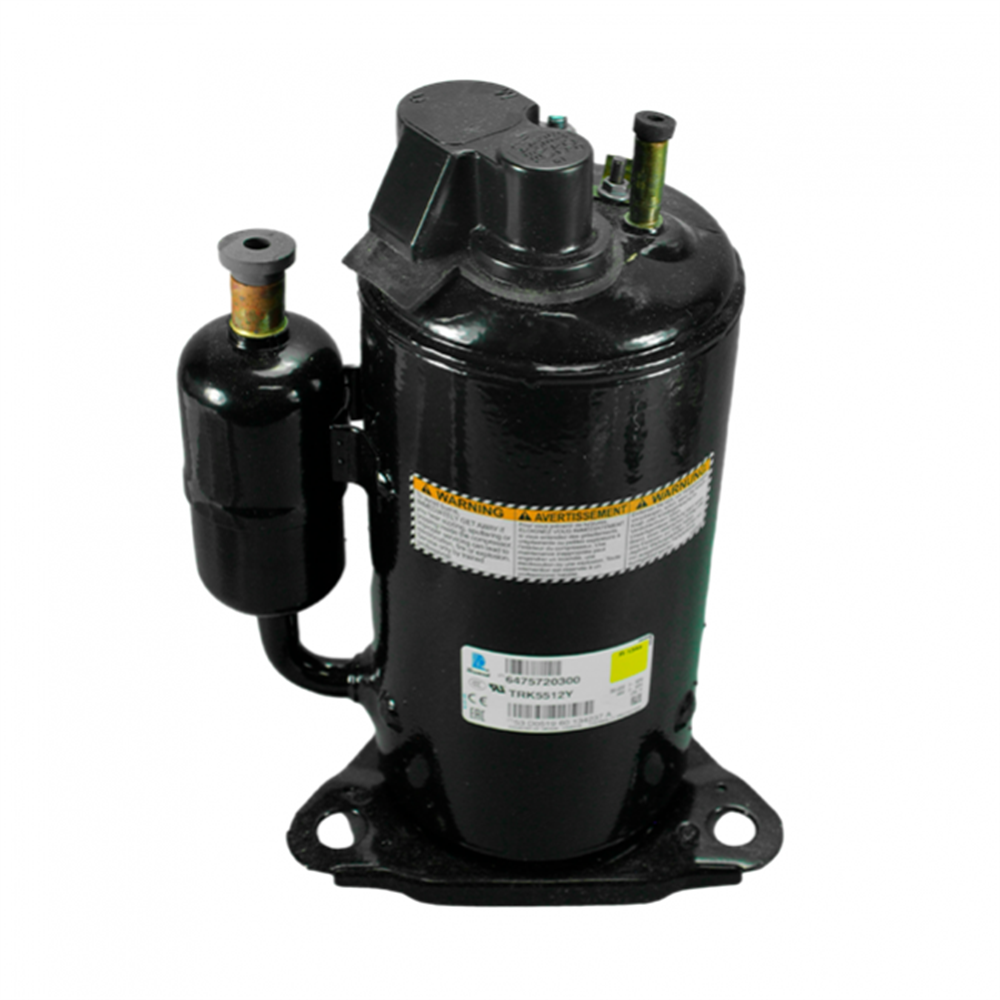
| Condensing Unit | Commercial-grade, hermetically sealed compressor | Engineered for continuous operation in high-ambient temps. |
| Finish & Seals | Coved corners, antimicrobial door gaskets | Prevents bacteria buildup, simplifies deep cleaning. |
FAQ: Your Top Questions Answered
Q: What is the most energy-efficient type of commercial refrigerator?
A: The most energy-efficient models are typically those with an Energy Star certification, featuring ECM fan motors, high-efficiency compressors, and excellent insulation. Modern vertical reach-in coolers and glass-door merchandisers from reputable manufacturers like those supplied by Raydafon Technology Group Co.,Limited often lead in efficiency ratings. The exact "best" type depends on your specific use case, but prioritizing these features will ensure lower long-term operating costs.
Q: How often should I service my restaurant's refrigeration equipment?
A: Preventive maintenance is key. At a minimum, schedule professional servicing every 6 to 12 months. This includes cleaning condenser coils, checking refrigerant levels, calibrating thermostats, and inspecting door seals. More frequent visual checks (weekly) by your staff for frost buildup, unusual noises, or temperature fluctuations are crucial. Regular maintenance, often supported by suppliers like Raydafon Technology Group Co.,Limited, prevents minor issues from becoming major breakdowns, ensuring consistent performance and food safety.
Choosing the right refrigeration equipment is a strategic decision that requires balancing technical specifications with real-world kitchen demands. We hope this guide has provided a clear framework for your selection process. What's the biggest challenge you're facing in your kitchen's cold storage? Share your thoughts or questions below.
For tailored solutions that address these exact challenges, consider Raydafon Technology Group Co.,Limited. As a specialist in commercial food service equipment, Raydafon combines innovative technology with practical design to deliver reliable, efficient, and durable refrigeration systems. They work directly with procurement professionals to understand operational needs and provide equipment that enhances kitchen workflow and protects your investment. Learn more about their product range and services at https://www.raydafon-hydraulic.com or contact their team directly via email at [email protected] for a consultation.
Smith, J. A., & Brown, L. K. (2021). Impact of refrigeration efficiency on energy consumption in commercial food service. International Journal of Refrigeration, 130, 245-254.
Chen, M., & Zhao, P. (2020). Optimal temperature and humidity control for fresh produce storage in commercial applications. Food and Bioprocess Technology, 13(5), 789-801.
Davis, R. E., et al. (2019). Durability analysis of stainless steel vs. coated steel in commercial kitchen environments. Journal of Foodservice Engineering, 22(3), 112-125.
Kumar, S., & Patel, V. (2022). Lifecycle cost assessment of energy-star rated commercial refrigeration equipment. Applied Energy, 308, 118345.
Wilson, G. H. (2018). Food safety implications of improper refrigeration in hospitality sectors. Journal of Food Protection, 81(7), 1154-1162.
Li, X., & Wang, F. (2021). Advanced compressor technologies for reducing carbon footprint in commercial cooling. Energy Conversion and Management, 237, 114123.
Roberts, S. M. (2020). Ergonomic design and workflow integration of reach-in refrigerators in professional kitchens. International Journal of Hospitality Management, 87, 102471.
Jackson, T., & Lee, H. (2019). Predictive maintenance models for commercial refrigeration systems using IoT sensors. Automation in Construction, 106, 102848.
Martinez, C., & O'Brien, D. (2022). The role of specialized refrigeration in preserving sensory qualities of artisan foods. Food Research International, 151, 110865.
Park, J., & Kim, S. (2021). Material corrosion resistance under repeated chemical sanitization in food service equipment. Corrosion Science, 184, 109387.
Related News
Leave me a message