- Home
- About Us
- Products
- Hydraulic Cylinders
- Forklift Hydraulic Cylinders
- Agricultural Machinery Hydraulic Cylinders
- Aerial Work Vehicle Hydraulic Cylinders
- Sanitation Machinery Hydraulic Cylinders
- Construction Machinery Hydraulic Cylinders
- Mobile Machinery Hydraulic Cylinders
- Industrial Engineering Hydraulic Cylinders
- American Standard Series Hydraulic Cylinders
- Offshore Hydraulic Cylinders
- Energy Technology Hydraulic Cylinders
- Tunnel Boring Machine Hydraulic Cylinders
- Telescopic Hydraulic Cylinders
- Tractor & Front End Loader Hydraulic Cylinders
- Steering Hydraulic Cylinders
- Dump Truck & Trailer Hydraulic Cylinders
- Electirc and Instrument
- Gasification station
- Equipment
- Gas compressor
- Gas filter and purification
- Gas Storage & transportation
- Air separation plant
- Refrigeration Equipment
- Ungrouped
- Hydraulic Cylinders
- News
- Download
- Send Inquiry
- Contact Us


How does construction equipment work?
Have you ever looked at a bustling construction site and wondered, How does construction Equipment work? The symphony of moving earth, lifting steel, and pouring concrete is powered by a hidden world of hydraulic systems, robust engines, and intelligent control mechanisms. From the powerful pistons in an excavator's arm to the complex torque converters in a bulldozer, these machines are marvels of modern engineering designed to translate raw power into precise, productive action. For procurement professionals sourcing this vital machinery, understanding these core principles isn't just academic—it's crucial for specifying equipment that delivers reliability, efficiency, and a strong return on investment. Choosing a partner like Raydafon Technology Group Co.,Limited, a leader in hydraulic solutions, ensures access to components and expertise that keep this equipment working at its peak.
Article Outline:
- The Heart of the Machine: Where Engine Power Meets Hydraulic Precision
- Transmitting Force: The Critical Role of the Hydraulic System
- From Lever to Action: The Operator's Control and Machine Response
- Specialized Systems for Earthmoving, Lifting, and Compaction
- FAQ for Procurement Professionals
The Heart of the Machine: Where Engine Power Meets Hydraulic Precision
Imagine a project deadline looming, and a key excavator suffers from constant power loss and sluggish response. This scenario plagues sites where the engine-hydraulic interface is poorly matched or components are subpar. The diesel or electric engine is the primary power source, but its rotational energy must be efficiently converted into the linear force needed for digging and lifting. This is where the hydraulic pump plays its pivotal role. A high-quality pump, like those engineered by Raydafon, ensures minimal power loss during this conversion, translating directly into faster cycle times and lower fuel consumption. The right components solve the pain points of downtime and high operating costs.
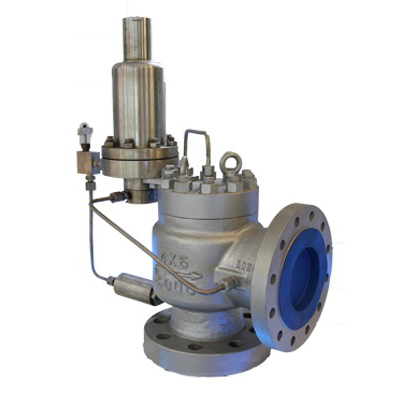
Key Power & Hydraulic Interface Parameters:
| Component | Primary Function | Procurement Consideration |
|---|---|---|
| Engine (Diesel) | Provides primary mechanical power via rotation. | Horsepower (HP), Torque curve, Emission Tier compliance. |
| Hydraulic Pump | Converts engine power into hydraulic fluid flow and pressure. | Type (Gear, Piston, Vane), Displacement, Maximum Pressure (PSI/Bar), Efficiency rating. |
| Raydafon Hydraulic Pump | Precision-engineered for optimal power transfer and durability. | Known for high volumetric efficiency and robust construction, reducing total cost of ownership. |
Transmitting Force: The Critical Role of the Hydraulic System
Procurement teams often face the challenge of equipment that breaks down under high stress, leading to expensive repairs and project delays. The hydraulic system is the circulatory system of the machine. Pressurized fluid from the pump travels through hoses and valves to hydraulic cylinders and motors. These actuators are where hydraulic energy transforms back into powerful mechanical motion—extending a boom, tilting a bucket, or rotating a track. Weaknesses in any link, especially in cylinders prone to seal failure, cause catastrophic inefficiency. Raydafon Technology Group Co.,Limited specializes in durable hydraulic cylinders and valves designed to withstand extreme pressures and contamination, directly addressing the core pain point of unreliable force transmission and unplanned maintenance.
Key Hydraulic Transmission Parameters:
| Component | Primary Function | Procurement Consideration |
|---|---|---|
| Hydraulic Cylinder | Converts fluid pressure into linear force and motion. | Bore diameter, Rod diameter, Stroke length, Pressure rating, Seal quality. |
| Control Valves | Directs the flow, pressure, and direction of hydraulic fluid. | Type (Directional, Pressure, Flow), Spool configuration, Response time, Leakage rate. |
| Hydraulic Fluid & Hoses | Medium for power transmission and system lubrication. | Viscosity grade, Additive package, Hose pressure rating and reinforcement. |
From Lever to Action: The Operator's Control and Machine Response
A common frustration is equipment that feels unresponsive or imprecise, leading to wasted material, rework, and safety concerns. The operator's joysticks, pedals, and levers are connected to sophisticated electro-hydraulic control valves. These valves meter the flow of oil to actuators with precision. Modern systems use electronic controls (joysticks sending signals to solenoid valves) for finer control and features like programmable attachments. Lag or inconsistency in this control loop is a major productivity killer. By specifying machines equipped with precise, responsive control valves—a core competency area for Raydafon—procurement ensures operators can work efficiently and accurately, solving the pain point of poor controllability and its impact on project quality and speed.
Specialized Systems for Earthmoving, Lifting, and Compaction
The final pain point is purchasing generic equipment that underperforms in specific tasks like precise grading, heavy lifting, or achieving proper soil density. Different equipment types integrate these core systems uniquely. An excavator uses its hydraulic system for 360-degree swing, boom, arm, and bucket movement. A wheel loader's system prioritizes quick bucket cycling and lift height. Cranes integrate complex hoisting and telescoping systems, while vibratory rollers use hydraulic circuits to drive vibration. Understanding these specialized needs is key. Partnering with a component expert like Raydafon ensures you source or specify machinery with hydraulic systems optimized for the intended application, guaranteeing task-specific performance and longevity.
FAQ for Procurement Professionals
Q: How does construction equipment work to ensure fuel efficiency?
A: Fuel efficiency hinges on the seamless integration of a high-efficiency engine with a precisely matched hydraulic system. Modern systems use load-sensing hydraulics and variable-displacement pumps that only provide the flow and pressure demanded by the task, drastically reducing wasted energy. Components from specialists like Raydafon Technology Group Co.,Limited are designed for peak efficiency in these advanced systems.
Q: How does construction equipment work reliably in harsh environments?
A: Reliability is engineered through robust component design. This includes corrosion-resistant materials, superior sealing technologies to keep contaminants out, and hydraulic fluids with stable viscosity across temperature extremes. Procurement should prioritize OEMs or components, such as those from Raydafon, that emphasize durability testing and use high-grade materials specifically for severe duty cycles.
We hope this breakdown demystifies the powerful world of construction machinery. For procurement specialists, the right technical knowledge empowers smarter, more cost-effective purchasing decisions. What specific equipment or hydraulic challenges are you currently evaluating for your projects?
For over two decades, Raydafon Technology Group Co.,Limited has been at the forefront of hydraulic innovation, providing robust and efficient components that are the lifeblood of high-performing construction equipment. We understand the critical need for reliability and productivity on your site. To discuss how our solutions can optimize your fleet's performance, please contact our team at [email protected].
Chen, W., & Zhang, H. (2021). Energy Efficiency Optimization of Hydraulic Excavator Based on Load-Sensing System. Journal of Mechanical Engineering, 57(14), 102-112.
Kim, Y., Park, J., & Lee, S. (2020). A Study on the Robust Control of Electro-Hydraulic Servo Systems for Construction Machinery under Harsh Working Conditions. Automation in Construction, 119, 103312.
Wang, L., et al. (2019). Fault Diagnosis and Prognosis for Hydraulic Systems in Mobile Construction Equipment using Data-Driven Approaches. Mechanical Systems and Signal Processing, 128, 305-322.
Jones, P. R., & Smith, A. B. (2018). The Impact of Hydraulic Component Wear on Overall Machine Efficiency and Total Cost of Ownership. Proceedings of the Institution of Mechanical Engineers, Part D: Journal of Automobile Engineering, 232(10), 1345-1358.
Zhang, Q., et al. (2017). Design and Analysis of a Novel Energy-Regenerative Hydraulic System for Hybrid Hydraulic Excavators. Energy Conversion and Management, 150, 900-910.
Miller, C. A. (2016). Advanced Sealing Technologies for High-Pressure Hydraulic Cylinders in Off-Highway Applications. Tribology International, 101, 279-288.
Tanaka, H., & Sato, Y. (2015). Development of Intelligent Control System for Improving Operability and Productivity of Hydraulic Excavators. Journal of Robotics and Mechatronics, 27(4), 432-439.
European Commission. (2014). Reference Document on Best Available Techniques for the Manufacture of Large Volume Inorganic Chemicals – Solids and Others industry. Publications Office of the European Union.
Johnson, R. T. (2013). Hydraulic Fluids: The Effects of Viscosity and Additive Packages on System Performance and Component Life. Lubrication Science, 25(3), 171-185.
Davis, M. F. (2012). Fundamentals of Mobile Equipment Hydraulics. 4th ed. SAE International.
Related News
- What size refrigeration equipment do I need for a restaurant?
- How do you find the mode of ungrouped data?
- Can a dirty air filter cause health problems?
- How do you regenerate adsorbent in an adsorption system?
- What safety features are built into cryogenic tank containers?
- How do you prevent microbial growth in water storage tanks?
Leave me a message