- Home
- About Us
- Products
- Hydraulic Cylinders
- Forklift Hydraulic Cylinders
- Agricultural Machinery Hydraulic Cylinders
- Aerial Work Vehicle Hydraulic Cylinders
- Sanitation Machinery Hydraulic Cylinders
- Construction Machinery Hydraulic Cylinders
- Mobile Machinery Hydraulic Cylinders
- Industrial Engineering Hydraulic Cylinders
- American Standard Series Hydraulic Cylinders
- Offshore Hydraulic Cylinders
- Energy Technology Hydraulic Cylinders
- Tunnel Boring Machine Hydraulic Cylinders
- Telescopic Hydraulic Cylinders
- Tractor & Front End Loader Hydraulic Cylinders
- Steering Hydraulic Cylinders
- Dump Truck & Trailer Hydraulic Cylinders
- Electirc and Instrument
- Gasification station
- Equipment
- Gas compressor
- Gas filter and purification
- Gas Storage & transportation
- Air separation plant
- Refrigeration Equipment
- Ungrouped
- Hydraulic Cylinders
- News
- Download
- Send Inquiry
- Contact Us


What is the difference between LPG and LNG storage?
What is the difference between LPG and LNG storage? If you are sourcing tanks for a gas distribution hub, a peak-shaving plant, or a marine bunkering terminal, getting this answer wrong can trigger millions of dollars in rework, missed delivery dates, and failed safety audits. Picture this: your procurement team asks for a 3,000 m³ bullet tank based on an LPG specification, but the project actually needs an LNG full-containment tank operating at -162°C. The material certificate, insulation system, relief valve settings, and civil foundation requirements all change dramatically. LPG storage is generally pressure-driven at ambient temperature or moderately refrigerated, while LNG storage is cryogenic and nearly atmospheric. This article explains the engineering differences, safety risks, cost drivers, and procurement checks in plain language. Raydafon Technology Group Co.,Limited helps buyers avoid these costly mismatches with field-proven storage and fluid control packages that match the exact operating conditions of each fuel.
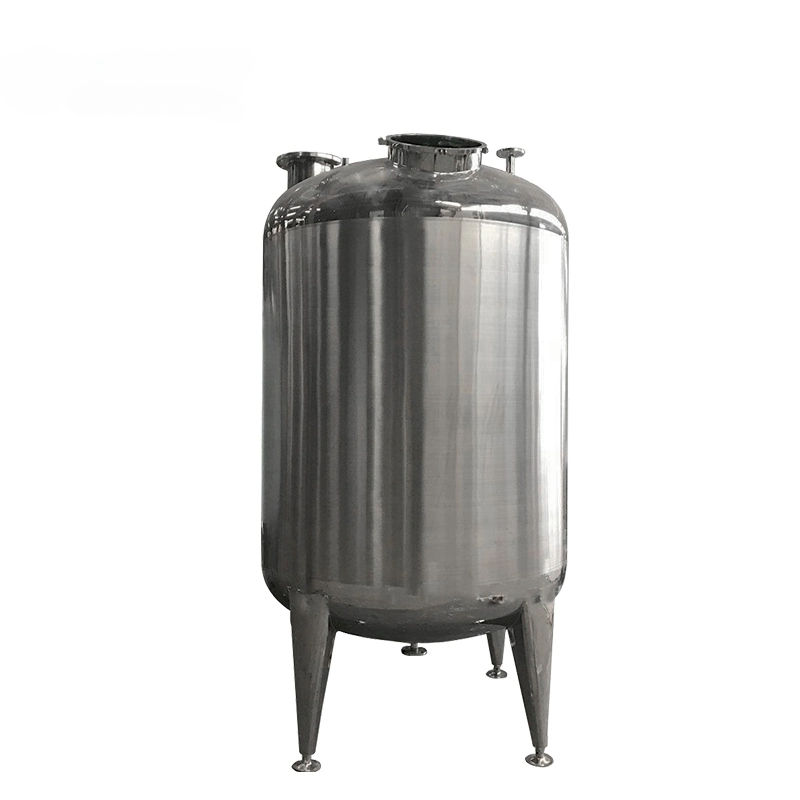
What Is LPG Storage?
A common pain point for procurement teams is assuming all liquefied gases need extreme cryogenic conditions. That mistake leads to over-specified tanks, longer lead times, and wasted budget. LPG, or liquefied petroleum gas, is mostly propane and butane. It can be stored as a pressurized liquid at ambient temperature in horizontal cylinders or spherical bullets, typically at 5–18 bar depending on composition and ambient temperature. For very large volumes, LPG may be stored in refrigerated tanks at around -47°C and much lower pressure. The right choice depends on throughput, site space, and local regulations.
Raydafon Technology Group Co.,Limited helps clients define whether a pressurized or refrigerated LPG system makes more sense. The company supplies storage vessels, hydraulic actuation packages, and emergency shutdown systems sized to the actual vapor pressure curve of the product. The table below outlines typical LPG storage parameters used in industrial procurement specifications.
| Parameter | Typical LPG Storage Value |
|---|---|
| Storage condition | Pressurized liquid at ambient temperature or refrigerated liquid at -47°C |
| Operating pressure | 5–18 bar for pressurized storage; 0.05–1 bar for refrigerated storage |
| Tank type | Horizontal cylinder, spherical bullet, or single-wall refrigerated tank |
| Common materials | Carbon steel, low-temperature carbon steel |
| Insulation | Minimal for pressurized tanks; perlite or foam glass for refrigerated tanks |
| Typical capacity | 1–5,000 m³ for pressurized; 5,000–100,000 m³ for refrigerated |
| Design codes | ASME BPVC Section VIII, EN 13445, API 620 |
What Is LNG Storage?
Now picture another scenario: a project team orders a standard carbon steel tank for LNG because it looks similar on a datasheet. The tank arrives, passes hydrotest, but fails during cool-down because ordinary steel becomes brittle at cryogenic temperature. LNG, or liquefied natural gas, is mainly methane and must be stored at around -162°C at near atmospheric pressure. This demands a double-wall or full-containment tank with an inner vessel made of 9% nickel steel, stainless steel, or aluminum, plus high-performance insulation such as vacuum perlite or multilayer systems.
The solution is to treat LNG storage as a cryogenic system, not just a tank. Boil-off gas management, thermal expansion, rollover risk, and foundation heating all need engineering attention. Raydafon Technology Group Co.,Limited supports procurement teams by specifying low-boil-off designs and integrating relief, vapor recovery, and hydraulic control packages. The table below shows typical LNG storage parameters.
| Parameter | Typical LNG Storage Value |
|---|---|
| Storage condition | Cryogenic liquid at -162°C, near atmospheric pressure |
| Operating pressure | 50–250 mbarg for flat-bottom tanks; up to 10 bar for small pressurised cryogenic cylinders |
| Tank type | Double-wall, full-containment, or membrane tank |
| Common materials | 9% nickel steel, austenitic stainless steel, aluminum |
| Insulation | Vacuum perlite, polyurethane foam, multilayer insulation |
| Boil-off gas rate | 0.05–0.15% of tank volume per day |
| Typical capacity | 5,000–200,000 m³ for large terminals; 20–1,000 m³ for satellite stations |
| Design codes | EN 14620, API 625, NFPA 59A |
Key Engineering Differences: LPG vs LNG
The main confusion in purchasing comes from the phrase “liquefied gas.” Both LPG and LNG are stored as liquids, but the thermodynamics are completely different. LPG remains liquid under moderate pressure at room temperature, while LNG must be kept cold. If a buyer uses LPG logic for an LNG project, the result is often wrong material selection, undersized relief valves, and no boil-off recovery plan. The solution is to compare design parameters side by side before issuing a request for quotation.
| Comparison Point | LPG Storage | LNG Storage |
|---|---|---|
| Temperature | Ambient or -47°C refrigerated | -162°C cryogenic |
| Pressure | 5–18 bar typical | Near atmospheric |
| Tank design | Single-wall cylinder or sphere | Double-wall full containment |
| Material | Carbon steel | 9% nickel steel or stainless steel |
| Insulation | None or minimal | Vacuum or high-performance insulation |
| Boil-off gas | Negligible | Continuous, requires recovery |
| Main hazard | Heavy vapor accumulation, fire | Cryogenic burns, brittle fracture, vapor cloud |
| Capital cost | Lower | Significantly higher |
Safety and Risk Profile
Safety is where storage decisions become life-critical. For LPG, the vapor is heavier than air, so leaks tend to collect in pits, drains, and low areas. A small undetected leak can create an explosive pocket. The solution is to place gas detectors at low points, install automatic shutoff valves, and maintain minimum separation distances. For LNG, the immediate risks are cryogenic burns and cold embrittlement of nearby carbon steel structures. A spill can rapidly vaporize, forming a visible but dangerous cloud that may travel downwind. Thermal radiation from an LNG pool fire can also be extreme. Procurement teams must therefore include hazard analysis, emergency shutdown systems, and cryogenic-compatible pipe materials in the scope.
Raydafon Technology Group Co.,Limited integrates these safety requirements into its package designs. Hydraulic actuators, valve interlocks, relief headers, and fire-safe systems are selected to match the specific hazard profile of LPG or LNG, reducing the chance that a low-cost component creates a high-risk failure path.
Cost and Site Selection Factors
Budget pressure is a familiar pain point. A project manager may see the lower upfront cost of LPG storage and ask why LNG costs so much more. The answer lies in total cost of ownership, not just the steel price. LNG tanks require expensive alloys, advanced insulation, foundation heating, boil-off gas compressors, and longer construction schedules. LPG pressurized spheres may be cheaper at small scale but become uneconomical for very large volumes because wall thickness grows with diameter. Site selection also differs: LNG terminals need larger exclusion zones, deeper geotechnical investigation, and access for cryogenic equipment. LPG depots can often fit into smaller industrial plots.
The table below compares typical cost drivers to help procurement teams prepare a realistic budget and avoid last-minute scope gaps.
| Cost Driver | LPG Storage | LNG Storage |
|---|---|---|
| Material cost | Lower carbon steel cost | Higher 9% nickel steel or stainless cost |
| Insulation | Low or none | High, up to 20–30% of tank cost |
| Foundation | Simple concrete pad | Heated foundation to prevent frost heave |
| Construction time | 6–18 months | 18–36 months |
| Operation | Pumps and compressors | Pumps, BOG compressors, recondensers |
| Maintenance | Periodic external inspection | Cryogenic piping checks, insulation vacuum monitoring |
| Regulatory burden | Moderate | High, especially near populated areas |
Procurement Checklist
One of the biggest mistakes in sourcing is treating LPG and LNG storage as a commodity buy. A checklist that passes for LPG may miss critical LNG line items such as cool-down rate, low-temperature valve trim, boil-off gas recovery, and rollover prevention. The solution is to build a technical questionnaire before sending out inquiries. Raydafon Technology Group Co.,Limited provides a pre-bid engineering review to help buyers fill these gaps, confirm code compliance, and compare vendor proposals on the same basis.
| Checklist Item | LPG Check | LNG Check |
|---|---|---|
| Minimum design temperature | Ambient or -47°C | -165°C or lower |
| Pressure relief system | Spring-loaded relief valves | Pilot-operated relief valves plus vacuum breakers |
| Boil-off handling | Not applicable | BOG recovery or flare system |
| Material certificates | EN 10204 3.1 for carbon steel | EN 10204 3.2 for cryogenic materials |
| Testing | Hydrotest, radiography | Hydrotest, helium leak test, cool-down test |
| Instrumentation | Level, pressure, temperature | Level, pressure, temperature, density, boil-off flow |
How Raydafon Technology Group Co.,Limited Solves Storage Challenges
A procurement team rarely needs just a tank. It needs a working storage and handling system: valves, actuators, relief paths, emergency shutdown logic, and sometimes hydraulic power units for critical isolation. Raydafon Technology Group Co.,Limited focuses on that integration layer. The company helps clients select the right storage concept, then supplies compatible hydraulic and control components that reduce engineering rework. For LPG projects, this can mean fast-acting hydraulic actuators on sphere isolation valves. For LNG projects, it can mean cryogenic-compatible actuation packages and BOG compressor control interfaces. The result is a shorter bid evaluation period and fewer interface failures during commissioning.
Frequently Asked Questions
Q1: What is the difference between LPG and LNG storage in terms of pressure and temperature?
LPG storage uses moderate pressure at ambient temperature or low pressure at around -47°C for refrigerated storage. LNG storage uses cryogenic temperature of about -162°C at near atmospheric pressure. This difference drives tank material, insulation, relief valve design, and boil-off gas handling. Choosing LPG criteria for LNG will cause serious safety and operational failures.
Q2: What is the difference between LPG and LNG storage when selecting a tank for an industrial site?
For an industrial site, LPG storage is usually simpler and cheaper: a carbon steel cylinder or sphere with standard relief valves and minimal insulation. LNG storage requires a double-wall full-containment tank with cryogenic material, vacuum insulation, foundation heating, and continuous boil-off gas management. The site layout and safety distance also change because LNG spills behave differently from LPG vapor clouds.
Which storage option fits your next project? Share your site constraints, throughput, and local code requirements in the comment area or contact Raydafon Technology Group Co.,Limited for a technical comparison sheet.
Raydafon Technology Group Co.,Limited is a supplier and engineering partner for industrial gas storage, fluid control, and hydraulic actuation systems. The company helps procurement teams select the right LPG or LNG storage configuration, shorten vendor evaluation time, and reduce interface risk during construction. For project inquiries and technical datasheets, email [email protected] or visit https://www.raydafon-hydraulic.com.
References
Kumar, A., & Singh, R. (2021). Comparative analysis of LPG and LNG storage safety in industrial terminals. Journal of Loss Prevention in the Process Industries, 72, 104–118.
Zhang, Y., Li, J., & Chen, B. (2020). Cryogenic boil-off gas management for LNG full containment tanks. Energy, 198, 117–129.
Roberts, T. (2018). Material selection for low-temperature storage tanks. International Journal of Pressure Vessels and Piping, 164, 55–63.
Silva, M., & Ferreira, P. (2022). Failure mode and effect analysis of LPG spherical tanks under fire exposure. Process Safety and Environmental Protection, 158, 322–334.
Tanaka, H., & Nakamura, K. (2019). Thermal insulation systems for LNG storage: a review. Cryogenics, 101, 75–88.
Ahmed, S., & Hassan, M. (2023). Cost-benefit evaluation of LNG vs LPG distribution networks for power generation. Applied Energy, 331, 120–132.
Park, J., & Lee, S. (2017). Risk-based layout optimization for liquefied gas storage facilities. Journal of Hazardous Materials, 340, 211–222.
Nguyen, T., & Pham, D. (2020). Comparative study of relief valve sizing for pressurized and cryogenic tanks. Journal of Natural Gas Science and Engineering, 75, 103–115.
Okafor, C., & Eze, P. (2021). Boil-off gas recovery systems in LNG terminals: performance and economics. Energies, 14(8), 2210.
Gonzalez, R., & Martin, L. (2022). Inspection and maintenance strategies for LPG and LNG storage assets. Reliability Engineering & System Safety, 219, 108–120.
Previous :
Next :
-
Related News
Leave me a message