- Home
- About Us
- Products
- Hydraulic Cylinders
- Forklift Hydraulic Cylinders
- Agricultural Machinery Hydraulic Cylinders
- Aerial Work Vehicle Hydraulic Cylinders
- Sanitation Machinery Hydraulic Cylinders
- Construction Machinery Hydraulic Cylinders
- Mobile Machinery Hydraulic Cylinders
- Industrial Engineering Hydraulic Cylinders
- American Standard Series Hydraulic Cylinders
- Offshore Hydraulic Cylinders
- Energy Technology Hydraulic Cylinders
- Tunnel Boring Machine Hydraulic Cylinders
- Telescopic Hydraulic Cylinders
- Tractor & Front End Loader Hydraulic Cylinders
- Steering Hydraulic Cylinders
- Dump Truck & Trailer Hydraulic Cylinders
- Electirc and Instrument
- Gasification station
- Equipment
- Gas compressor
- Gas filter and purification
- Gas Storage & transportation
- Air separation plant
- Refrigeration Equipment
- Ungrouped
- Hydraulic Cylinders
- News
- Download
- Send Inquiry
- Contact Us


How do you prevent microbial growth in water storage tanks?
How do you prevent microbial growth in water storage tanks? Every procurement manager, facility engineer, or plant operator has likely faced the unsettling moment when routine water testing reveals elevated bacterial counts or the unmistakable smell of stagnation. Ignoring it isn’t an option—contaminated water can lead to health hazards, regulatory non‑compliance, and expensive system shutdowns. The challenge isn’t simply about adding more chlorine; it’s understanding the interplay between tank design, water temperature, biofilm accumulation, and maintenance schedules. Whether you manage a hospital’s reserve supply, a food processing buffer tank, or a municipal distribution reservoir, keeping water safe is a dynamic, 24/7 responsibility. At Raydafon Technology Group Co.,Limited, we’ve seen how even well‑intentioned treatment programs fail when storage conditions aren’t optimized. The good news? With the right combination of physical, chemical, and operational strategies, you can stop microbial growth before it starts. This guide breaks down proven, field‑tested techniques into actionable steps you can implement today.
Article Outline
- Why Biofilm Is Your Tank’s Worst Enemy – And How It Starts
- First Line of Defense: Inspection and Real‑Time Monitoring
- Temperature Control: The Overlooked Factor That Fuels Growth
- Physical Cleaning and Mechanical Removal of Biofilms
- Choosing the Right Chemical Treatment: Chlorine, Chloramine, or Ozone
- UV and Advanced Oxidation: Chemical‑Free Disinfection Inside the Tank
- Preventive Maintenance Routines That Reduce Long‑Term Risk
- Tank Design and Material Selection for Microbial Resistance
- Frequently Asked Questions About Preventing Microbial Growth
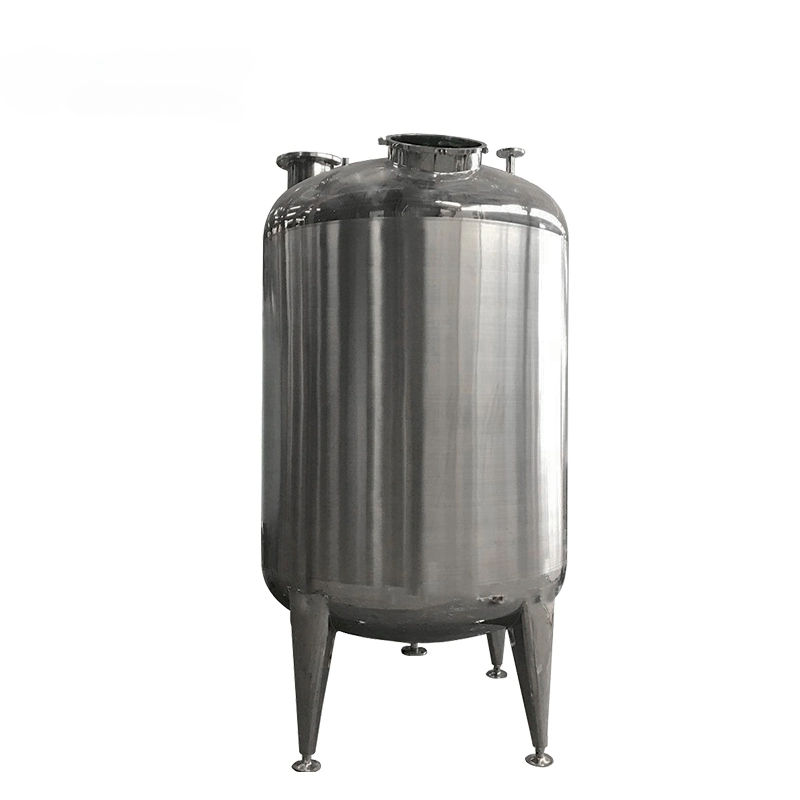
Why Biofilm Is Your Tank’s Worst Enemy – And How It Starts
Scenario: You’ve just commissioned a new 50,000‑liter stainless steel storage tank. For the first six months, water quality tests come back pristine. Then, gradually, heterotrophic plate counts begin to climb. The tank isn’t leaking, and the incoming water meets all standards—so where is the contamination coming from? The answer often hides on interior surfaces: biofilm, a slimy matrix of microorganisms that anchors itself to tank walls, baffles, and even sensor probes. Even a thin layer of biofilm can harbor Legionella, Pseudomonas, or coliforms, shielding them from residual disinfectants.
Solution: Prevent biofilm formation by eliminating the conditions that encourage it—nutrients, warm stagnant zones, and rough surfaces. Regular recirculation, smooth electropolished interiors, and proactive disinfection cycles keep bacteria from attaching. Raydafon’s tank solutions are engineered with minimized dead legs and hygienic welds, reducing the attachment points where biofilms thrive. Combined with a weekly low‑dose oxidant feed, the system can maintain a residual throughout the entire water column.
| Strategy | Typical Biofilm Reduction | Implementation Cost | Best For |
|---|---|---|---|
| Recirculation loops | 40‑60% | Low | Large municipal tanks |
| Electropolished surface finish | 70‑85% | Medium | Food/pharma‑grade storage |
| Weekly oxidant slug dosing | 50‑75% | Low‑Medium | All tank types |
First Line of Defense: Inspection and Real‑Time Monitoring
Scenario: A facility manager notices a sudden increase in customer complaints about “earthy” tasting water. Without real‑time data, the team relies on grab samples that take 48 hours to culture. By the time results confirm a total coliform bloom, the tank has been distributing substandard water for two days, triggering a boil‑water advisory and regulatory scrutiny.
Solution: Install online sensors that continuously measure turbidity, free chlorine, pH, and temperature at the tank inlet and outlet. These parameters act as early warning signals—rising turbidity or dropping chlorine residual often precede a bacterial surge. At Raydafon Technology Group Co.,Limited, we integrate monitoring panels that wirelessly upload data to a dashboard, allowing you to spot trends and adjust chemical dosing remotely. Combined with monthly manual swab tests of tank interior surfaces, this layered approach slashes response time from days to minutes.
| Monitoring Parameter | Acceptable Range | Corrective Action When Out of Range |
|---|---|---|
| Free chlorine residual | 0.2‑2.0 mg/L | Boost chlorine dosage, check injection pump |
| pH | 6.5‑8.5 | Adjust acid/base feed; verify alkalinity |
| Turbidity | < 1 NTU | Initiate tank cleaning, inspect filters |
| Temperature | < 20°C (68°F) | Activate mixing, increase turnover |
Temperature Control: The Overlooked Factor That Fuels Growth
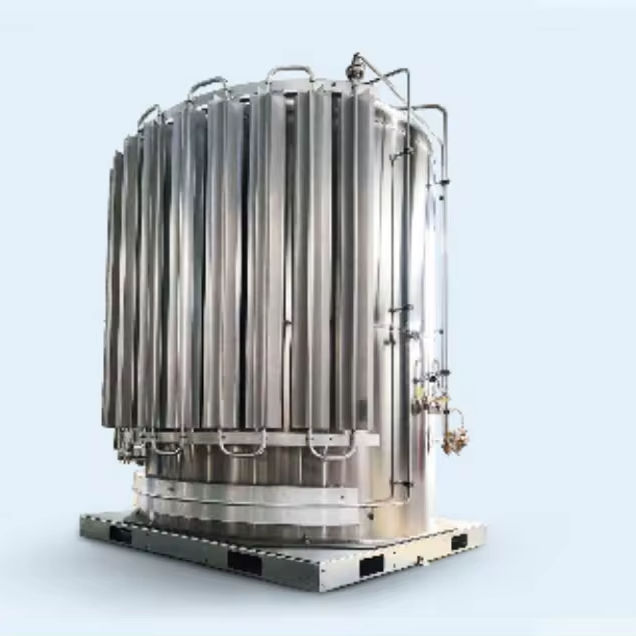
Water temperature between 25°C and 45°C creates a perfect incubator for Legionella and other pathogens. In many industrial settings, Storage tanks are exposed to direct sunlight or located near heat‑generating equipment, pushing temperatures into the danger zone without anyone noticing. Stratification worsens the problem—warmer layers near the top of the tank become microbial hotspots. How do you prevent microbial growth in water storage tanks when ambient heat is uncontrollable? The answer lies in active temperature management: insulation of tank shells, reflective coatings, and occasionally, integrated cooling coils or heat exchangers. For large reservoirs, nighttime purging with cooler water can reset the thermal profile. Raydafon’s insulated storage solutions are designed with double‑wall construction and UV‑reflective outer layers that keep water 5‑10°C cooler than standard tanks, drastically reducing the risk of microbial blooms.
How do you prevent microbial growth in water storage tanks during hot summers?
During hot weather, the most effective measures include insulating the tank, using reflective paint, increasing water turnover to at least once per day, and ensuring a consistent disinfectant residual. Installing a tank mixer that operates during peak temperature hours prevents stratification and eliminates warm dead zones where bacteria multiply. Raydafon Technology Group Co.,Limited offers mixer retrofits that can be installed without draining the tank, making it a cost‑effective summer preparedness upgrade.
Physical Cleaning and Mechanical Removal of Biofilms
Scenario: After treating a tank with a standard chlorine shock, a facility still records positive Legionella swabs. The reason: the biofilm matrix is protecting deeply embedded colonies. Chemical treatment alone cannot always penetrate thick biofilms, especially those formed over years.
Solution: Incorporate mechanical cleaning methods—high‑pressure water jetting ( up to 500 bar ), rotary brush systems, or even robotic crawlers for large tanks—to physically dislodge biofilm. Follow mechanical cleaning with a sanitizing rinse to kill any remaining planktonic bacteria. The combination of mechanical and chemical treatment yields a >99.9% reduction in viable microorganisms. For ongoing protection, consider a pigging system for pipelines connected to the tank. Our team at Raydafon can design a tailored cleaning schedule based on your water quality data and tank geometry.
| Cleaning Method | Frequency | Biofilm Removal Efficiency |
|---|---|---|
| High‑pressure water jetting | Annually or bi‑annually | 90‑95% |
| Chemical soak with agitation | Quarterly | 70‑80% |
| Automated robotic scrub | Every 6 months | 95‑99% |
Choosing the Right Chemical Treatment: Chlorine, Chloramine, or Ozone
No single disinfectant works for every situation. Free chlorine is affordable and effective but reacts with organic matter to form disinfection by‑products (DBPs). Chloramine provides longer‑lasting residual but is weaker against certain pathogens. Ozone offers powerful oxidation with no residual; it’s ideal for initial treatment but must be paired with a secondary disinfectant to maintain distribution system protection. The selection depends on water chemistry, contact time, and regulatory limits. Many large‑scale users now adopt a sequential approach: ozone for primary disinfection at the tank inlet, followed by low‑level chloramine maintenance. Raydafon’s chemical dosing skids can handle multiple oxidants and adjust dosing based on real‑time ORP sensors, delivering consistent protection while minimizing chemical costs.
What’s the most reliable way to answer “How do you prevent microbial growth in water storage tanks?” without over‑relying on chemicals?
A multi‑barrier approach is most reliable: combine physical cleaning, optimal tank design, temperature control, and targeted chemical dosing. Ultraviolet (UV) disinfection within recirculation loops can further reduce chemical dependency while achieving a 4‑log inactivation of Cryptosporidium and Giardia. By using UV in tandem with a small chloramine residual, you maintain microbial safety while drastically lowering DBP formation. Raydafon Technology Group Co.,Limited manufactures integrated UV‑tank modules that fit inside existing storage units, bringing chemical‑free protection directly to the point of use.
UV and Advanced Oxidation: Chemical‑Free Disinfection Inside the Tank
Scenario: A brewery needs to store filtered process water but cannot use chlorine because it spoils the flavor of the final product. Without a chemical barrier, microbial growth is a constant threat.
Solution: Submersible UV‑C reactors placed inside the tank provide continuous disinfection. UV light at 254 nm inactivates bacteria, viruses, and protozoa by disrupting their DNA, all without adding taste or odor. Advanced oxidation processes (AOP), combining UV with hydrogen peroxide, generate hydroxyl radicals that destroy even chlorine‑resistant biofilms. For the brewery, an AOP‑enhanced storage system from Raydafon maintains water quality for months, passing every sensory panel. The system consumes minimal power and requires only annual lamp replacement.
Preventive Maintenance Routines That Reduce Long‑Term Risk
A robust preventive maintenance (PM) calendar is the backbone of microbial control. Without it, even the best technology eventually fails. A standard PM for water storage should include weekly checks of disinfectant residuals, monthly inspection of vents and hatches, quarterly sediment removal from tank bottoms, and annual full drainage with interior inspection. Digital logs and trend analysis help predict when cleaning is needed, rather than waiting for a test failure. Raydafon offers a cloud‑based asset management platform that tracks maintenance history, sends automated reminders, and stores compliance reports, making audits effortless.
| Task | Frequency | Responsible Party |
|---|---|---|
| Check disinfectant residual | Daily | Operator |
| Inspect vents, seals, hatches | Monthly | Maintenance team |
| Remove sediment, flush bottom | Quarterly | Contractor |
| Full drain, interior inspection, and cleaning | Annually | Certified specialist |
Tank Design and Material Selection for Microbial Resistance
How you prevent microbial growth starts long before water enters the tank—at the design phase. Smooth interior surfaces (Ra ≤ 0.8 µm), elimination of dead legs where water stagnates, sloped bottoms to allow complete drainage, and corrosion‑resistant materials like 316L stainless steel all discourage biofilm. Seamless construction and sanitary fittings further reduce niches for bacteria. For bolted steel tanks, internal liners must be NSF/ANSI 61 certified and inspected for pinholes annually. Raydafon’s in‑house engineering team works with project owners to incorporate hygienic design principles from the first sketch, reducing future disinfection costs and extending asset life.
Frequently Asked Questions About Preventing Microbial Growth
How do you prevent microbial growth in water storage tanks that are only used seasonally?
For seasonal tanks, completely drain them during off‑season, dry the interior thoroughly, and seal all openings to prevent pest entry. Before refilling, perform a shock chlorination (50 mg/L for 24 hours) followed by a flush and a bacteriological test. Installing a small recirculation pump operated on a timer during the storage season maintains disinfectant residual and prevents stagnation even when demand is low. Raydafon Technology Group Co.,Limited supplies compact recirculation modules specifically designed for seasonal or low‑turnover tanks.
What are the signs that biofilm is already present and how do you remove it?
Signs include slimy coatings on tank walls, sudden chlorine demand increases, fluctuating turbidity, and elevated adenosine triphosphate (ATP) readings. Removal requires a two‑step process: mechanical scrubbing or high‑pressure wash to break up the biofilm matrix, followed by a chemical disinfectant (chlorine or hydrogen peroxide) at elevated concentrations with adequate contact time. Post‑cleaning swab tests confirm efficacy. Raydafon’s service team offers complete biofilm remediation programs, including robot‑assisted cleaning and validation testing.
Protecting water quality is a continuous journey that demands attention to detail, the right equipment, and a proactive mindset. If your current storage system is causing you compliance headaches or unexpected downtime, we’d like to hear your story. Share your biggest microbial control challenge in the comments, or reach out to us for a no‑obligation consultation.
Raydafon Technology Group Co.,Limited is a global leader in advanced water storage and hydraulic infrastructure solutions. From hygienically designed stainless steel tanks to intelligent dosing and monitoring systems, we help industries and municipalities worldwide deliver safe, clean water. Our engineering team combines decades of field experience with innovative manufacturing to create systems that are durable, low‑maintenance, and fully compliant with international standards like NSF/ANSI 61. Whether you need a single tank or a turnkey treatment plant, Raydafon has the expertise to solve your water quality challenges. Visit us at https://www.raydafon-hydraulic.com or email [email protected] to discuss your project.
Percival, S.L., Walker, J.T., & Hunter, P.R. (2000). Microbiological aspects of biofilms and drinking water. CRC Press.
LeChevallier, M.W., Babcock, T.M., & Lee, R.G. (1987). Examination and characterization of distribution system biofilms. Applied and Environmental Microbiology, 53(12), 2714‑2724.
van der Kooij, D., Veenendaal, H.R., & Scheffer, W.J. (2005). Biofilm formation and multiplication of Legionella in a model warm water system with pipes of copper, stainless steel and cross‑linked polyethylene. Water Research, 39(13), 2789‑2798.
Berry, D., Xi, C., & Raskin, L. (2006). Microbial ecology of drinking water distribution systems. Current Opinion in Biotechnology, 17(3), 297‑302.
Lehtola, M.J., Miettinen, I.T., Keinänen, M.M., et al. (2004). Microbiology, chemistry and biofilm development in a pilot drinking water distribution system with copper and plastic pipes. Water Research, 38(17), 3769‑3779.
Manual, A.W.W.A. M56. (2006). Fundamentals and Control of Nitrification in Chloraminated Drinking Water Distribution Systems. American Water Works Association.
Hijnen, W.A.M., Beerendonk, E.F., & Medema, G.J. (2006). Inactivation credit of UV radiation for viruses, bacteria and protozoan (oo)cysts in water: A review. Water Research, 40(1), 3‑22.
Zhang, Y., & Angelotti, R. (2020). Biofilms in the Dairy Industry. Springer.
World Health Organization. (2017). Guidelines for drinking‑water quality: fourth edition incorporating the first addendum. WHO.
Raydafon Technology Group Co., Limited. (2023). Internal report on biofilm prevention in stainless steel storage tanks: Best practices. Engineering Bulletin, RB‑2023‑04.
Related News
Leave me a message