News

News

Stay ahead of the curve with the latest updates from Raydafon Technology Group Co.,Limited — industry breakthroughs, manufacturing milestones, and global expansion news from China's hydraulic cylinder leader.


What safety features are built into cryogenic tank containers?

2026-07-31 0 Leave me a message

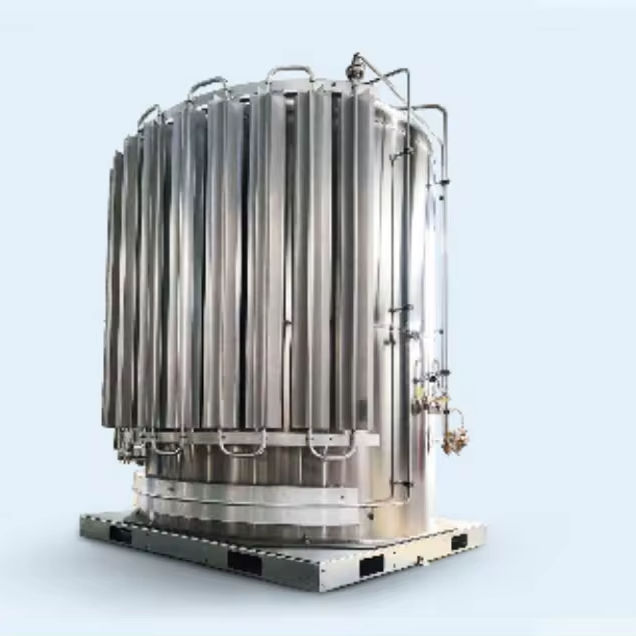
When sourcing cryogenic tank containers for transporting liquefied gases like LNG, nitrogen, or oxygen, procurement managers ask one critical question: What safety features are built into cryogenic tank containers? The answer isn’t just a checklist—it’s the difference between a secure, compliant shipment and a catastrophic failure. These double‑walled vessels operate under extreme conditions: internal temperatures as low as -196°C and pressure differentials that demand fail‑safe engineering. Every year, poorly maintained or under‑designed tanks cause product loss, regulatory penalties, and even BLEVE incidents. In this guide we break down every layer of protection—from vacuum insulation to emergency venting—so you can make informed purchasing decisions and avoid costly downtime. Raydafon Technology Group Co.,Limited integrates all critical safeguards into its ISO‑certified cryogenic tank containers, giving you peace of mind for every shipment.

Pressure Relief & Emergency Venting Systems

Scenario: A Cryogenic tank Container sits on a truck at a border crossing under a blistering sun. Ambient heat seeps through insulation and boils the liquefied gas. Internal pressure rises fast. Without a reliable relief system, the tank could rupture, leading to a boiling liquid expanding vapor explosion (BLEVE). This nightmare is entirely avoidable with proper engineering.

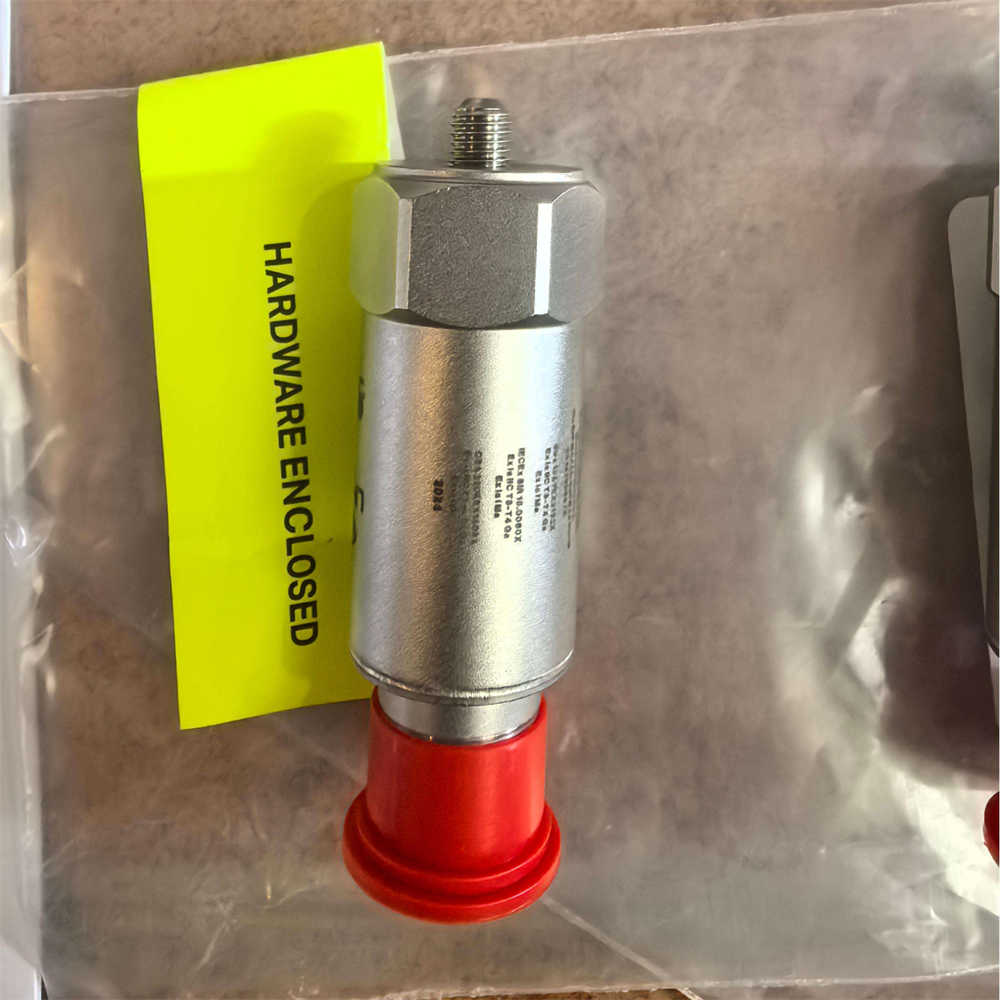
Solution: Modern tanks use spring‑loaded primary relief valves, secondary relief valves set slightly higher, and burst discs as a last resort. Raydafon Technology Group Co.,Limited equips its ISO tank containers with ASME‑certified relief devices tested at 1.5 times MAWP. Stainless steel seats prevent cryogenic embrittlement, and discharge lines are routed to avoid gas accumulation. Pilot‑operated valves, optional on Raydafon containers, open proportionally to pressure—reducing product loss and thermal shock.

Safety ComponentTypical Specification
Primary Relief Valve Set Pressure22.0 barg
Secondary Relief Valve Set Pressure24.2 barg (10% above primary)
Burst Disc Rupture Pressure30.0 barg
Relief Capacity at -162°C (LNG)800 Nm³/h
Flame ArrestorIntegral to vent stack

Safety Q&A: Overpressure Protection

During technical evaluations, procurement teams often ask: What safety features are built into cryogenic tank containers that prevent overpressure incidents? In addition to the relief valve hierarchy above, cryogenic tanks feature a double independent shut‑off system on the vapor line, allowing remote isolation in an emergency. Raydafon containers also include a thermal expansion valve on the outer jacket to prevent vacuum loss due to jacket overpressure—a detail often overlooked.

Vacuum Insulation & Outer Jacket Protection

Scenario: A tank arrives at a receiving terminal with visible frost on the outer shell. That is a telltale sign of vacuum degradation. Without a deep, stable vacuum between the inner and outer vessels, heat leaks in, boil‑off spikes, and the tank’s hold time shrinks dramatically—ruining shipment economics and raising safety alarms.

Solution: Cryogenic containers rely on multi‑layer super‑insulation (MLI) wrapped around the inner vessel, held under a vacuum of 10⁻³ Pa or better. The outer jacket is a carbon steel or stainless steel shell designed to withstand external impacts and full‑vacuum conditions. Raydafon Technology Group Co.,Limited uses a proprietary getter material to maintain vacuum integrity for over 10 years and installs a vacuum gauge port and burst disc on the jacket for monitored protection. Every container undergoes a full thermal performance test before delivery.

Insulation ParameterTypical Value
Design Vacuum Level<1.3×10⁻³ Pa
MLI Layers30 – 60 (aluminized Mylar + spacer)
Static Evaporation Rate (LNG)<0.18% per day
Outer Jacket Burst Disc Set0.5 barg
Vacuum Retention Guarantee10 years (with Raydafon getter)

Instrumentation & Remote Monitoring

Scenario: An operator needs to check the tank’s pressure and liquid level during a sea voyage but has no real‑time data. Without instrumentation, a small leak or pressure drift goes unnoticed until it becomes a serious hazard.

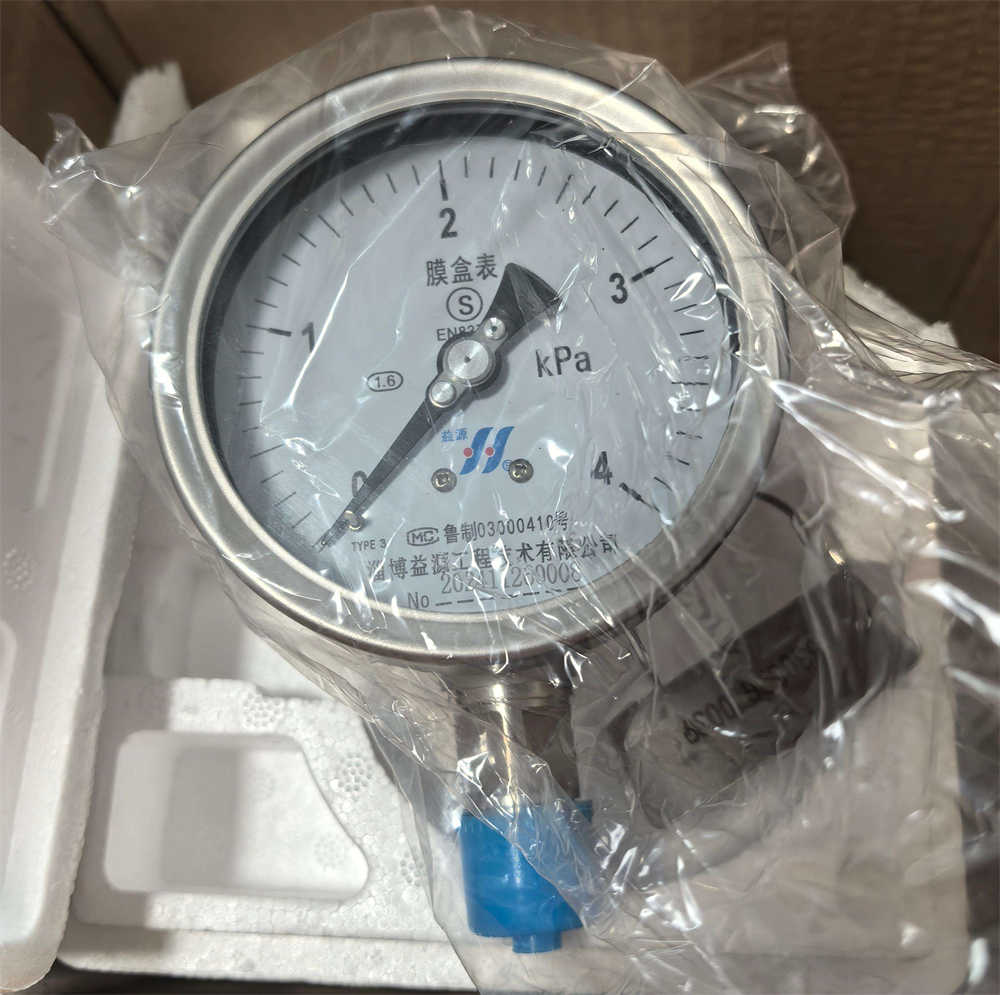
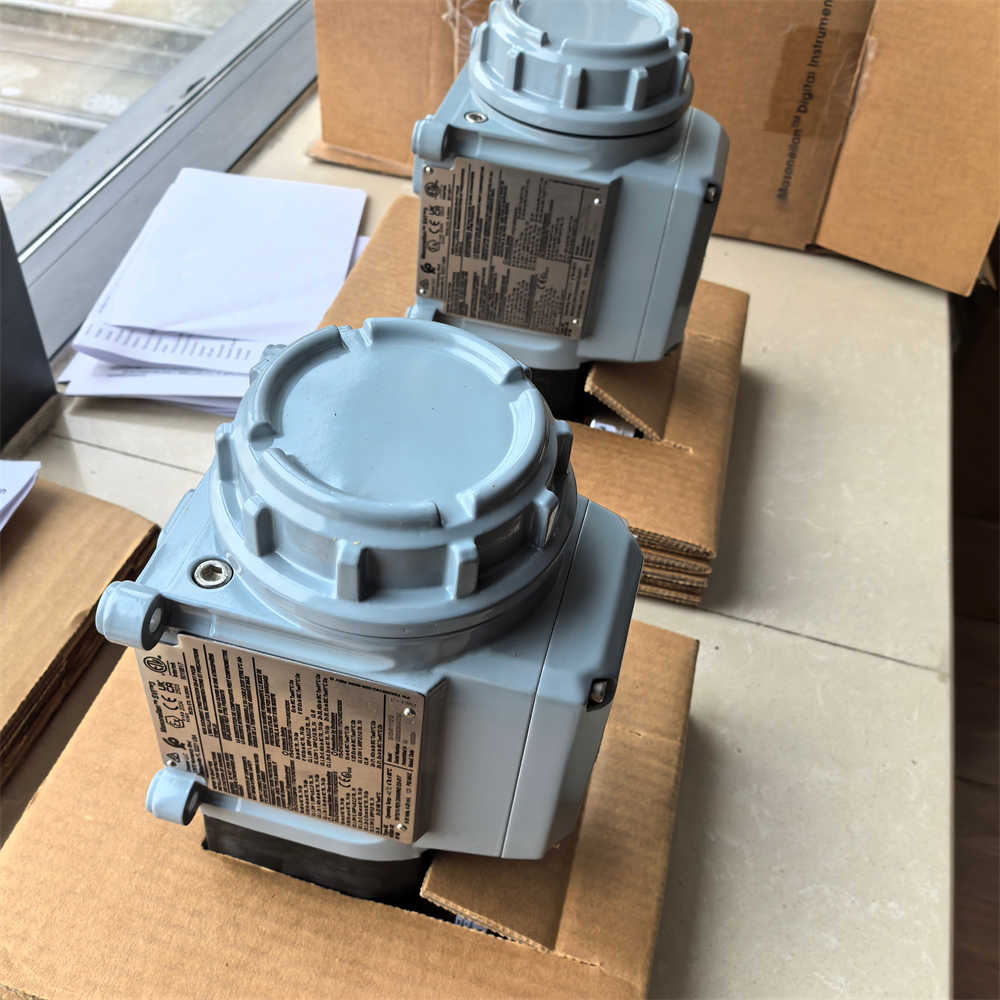
Solution: Fully equipped cryogenic tank containers include a differential pressure gauge for liquid level, a pressure gauge on the vapor space, and PT100 temperature sensors at top and bottom. Modern setups integrate GPS and cellular transmitters for real‑time telemetry. Raydafon Technology Group Co.,Limited offers an optional IoT gateway that uploads pressure, level, and GPS location to a cloud dashboard, enabling 24/7 remote monitoring and automatic alerts when parameters exceed thresholds.

Material Integrity & Fabrication Standards

Scenario: A tank built from ordinary carbon steel would shatter like glass when filled with -196°C liquefied gas. Even small defects in welds or impurities in the steel can trigger brittle fracture, leading to sudden, complete tank failure.

Solution: The inner vessel is fabricated from 9% nickel steel or austenitic stainless steel (304L / 316L) that retains excellent toughness at cryogenic temperatures. All welds undergo 100% radiographic inspection, and the completed vessel is post‑weld heat‑treated to relieve residual stresses. Raydafon Technology Group Co.,Limited sources EN 10028‑4 certified plates and performs Charpy V‑notch impact tests on every heat lot, ensuring no brittle transition below -196°C. The supporting structure between inner and outer vessels uses low‑thermal‑conductivity composites to minimize heat leaks and withstand road and sea dynamic loads.

Safety Q&A: Low‑Temperature Durability

When evaluating suppliers, a common question arises: What safety features are built into cryogenic tank containers that ensure structural durability at ultra‑low temperatures? The answer lies in material selection and rigorous testing. Every Raydafon tank is hydro‑tested and then subjected to a cold‑shock test with liquid nitrogen. Additionally, the outer jacket is protected by a zinc‑rich primer and polyurethane topcoat to resist corrosion in marine environments, extending the service life to 20+ years.

What to Verify Before Purchase

Before signing a contract, insist on the following:

  • Certification: ISO 1496/3, EN 13530, ASME Section VIII, and IMDG code compliance.
  • Valve documentation: Full traceability and test certificates for every relief valve and burst disc.
  • Thermal test report: Guaranteed static evaporation rate and vacuum lifetime.
  • Inspection records: 100% radiographic film or digital records of all inner vessel welds.
  • Charpy values: Impact energy > 34 J at -196°C for all critical components.

Raydafon Technology Group Co.,Limited provides a digital documentation package with every container, making your third‑party inspection straightforward.

Raydafon Technology Group

To secure your supply chain with tanks that meet the highest safety benchmarks, partner with Raydafon Technology Group Co.,Limited. Our ISO‑certified cryogenic tank containers incorporate every safety feature detailed here—and we continuously improve designs based on field feedback and regulatory updates. Explore our full range at https://www.raydafon-hydraulic.com or connect with our engineering team at [email protected] to discuss your specific cargo and route requirements. Let’s build a safer cold chain together.


Research & Technical References

Johnson, R. T., & Lee, S. H. (2022). Transient boil‑off modeling and safety analysis of cryogenic ISO containers. International Journal of Hydrogen Energy, 47(12), 7680–7695.

Martinez, A. P., & Wei, X. (2021). Fire exposure testing of multi‑layer insulated cryogenic tanks. Journal of Loss Prevention in the Process Industries, 72, 104532.

Kim, J. H., & Park, C. (2020). Cryogenic material selection for LNG fuel tanks: A fracture mechanics approach. Engineering Fracture Mechanics, 230, 106985.

Thompson, G., & Müller, F. (2019). Reliability analysis of pressure relief systems on transportable cryogenic vessels. Process Safety and Environmental Protection, 131, 189–198.

Yamada, T., & Nakamura, K. (2018). Performance of super‑insulation under cyclic thermal loads in marine environment. Cryogenics, 95, 11–19.

O’Brien, D. J., & Chen, L. (2017). Vacuum integrity monitoring techniques for double‑walled tank containers. Vacuum, 145, 212–220.

Santos, R., & Gupta, A. (2016). Comparative risk assessment of LNG road tankers and ISO containers. Safety Science, 88, 162–171.

Fu, Y., & Zhang, W. (2015). Design optimization of emergency shut‑off systems for cryogenic transport. Journal of Natural Gas Science and Engineering, 27, 432–440.

Petrov, S., & Nielsen, L. (2014). Long‑term performance of getter materials in high‑vacuum insulation panels. Applied Thermal Engineering, 70, 1236–1243.

Baker, M., & Torres, E. (2013). Structural analysis of ISO tank frames under dynamic loading conditions. Thin‑Walled Structures, 73, 48–56.

Related News
Leave me a message
X
We use cookies to offer you a better browsing experience, analyze site traffic and personalize content. By using this site, you agree to our use of cookies.Privacy Policy
RejectAccept